Leaky pipes are a common problem in homes and businesses across Australia. Understanding what causes leaky pipes can save you from costly water damage and unexpected repairs. In most cases, leaks develop gradually, giving you time to address the issue before it becomes severe.
From ageing plumbing systems to sudden pressure changes, there are several reasons your pipes might fail. In this article, Diverse Plumbing and Gas explain the top causes, how to spot them, and when to seek professional help.
Ageing Plumbing and Pipe Materials
Older homes often have pipes made from materials that degrade over time. Galvanised steel and copper pipes, common in houses built before the 1990s, are prone to corrosion and rust. This weakens the pipe walls, making small cracks and leaks more likely.
PVC and PEX pipes can also develop leaks if exposed to UV light or extreme temperatures. Checking your plumbing system regularly can help prevent major issues caused by material fatigue.
High Water Pressure Problems
Excessive water pressure puts extra strain on your pipes. When water surges beyond the recommended 50–60 psi, joints and fittings can start to leak.
Installing a pressure-reducing valve (PRV) is a common solution in Australian homes to maintain safe levels. Signs of high water pressure include loud pipe noises, dripping taps, or frequently tripped appliances.
Temperature Fluctuations and Freezing
In some parts of Australia, particularly southern regions, sudden cold snaps can cause water inside pipes to expand. This expansion may create small cracks that leak over time.
Even in milder climates, extreme heat can warp pipes, particularly flexible PVC or PEX. Insulating exposed pipes and maintaining consistent indoor temperatures helps reduce these risks.
Physical Damage and Accidental Impact
Pipes hidden behind walls, under floors, or in yards can suffer damage from external factors. Drilling, nailing, or heavy landscaping equipment may accidentally puncture a pipe.
Such incidents often go unnoticed until water appears in unexpected places. Careful planning and using pipe detectors when renovating or digging can prevent accidental damage.
Clogged Pipes Leading to Leaks
Blockages increase internal pressure in pipes, especially in wastewater or drainage systems. Hair, grease, and foreign objects can cause small leaks or joint separations.
Regular maintenance, including drain cleaning and proper disposal of waste, reduces the likelihood of pressure-related leaks. A professional plumber can also inspect hard-to-reach areas for early signs of failure.
Poor Installation and Loose Fittings
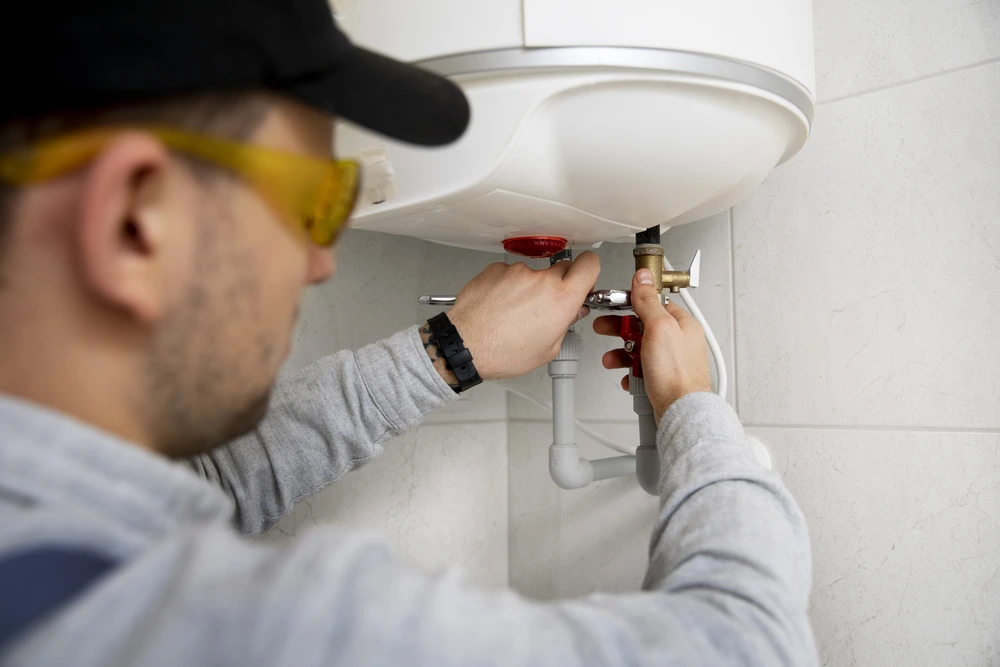
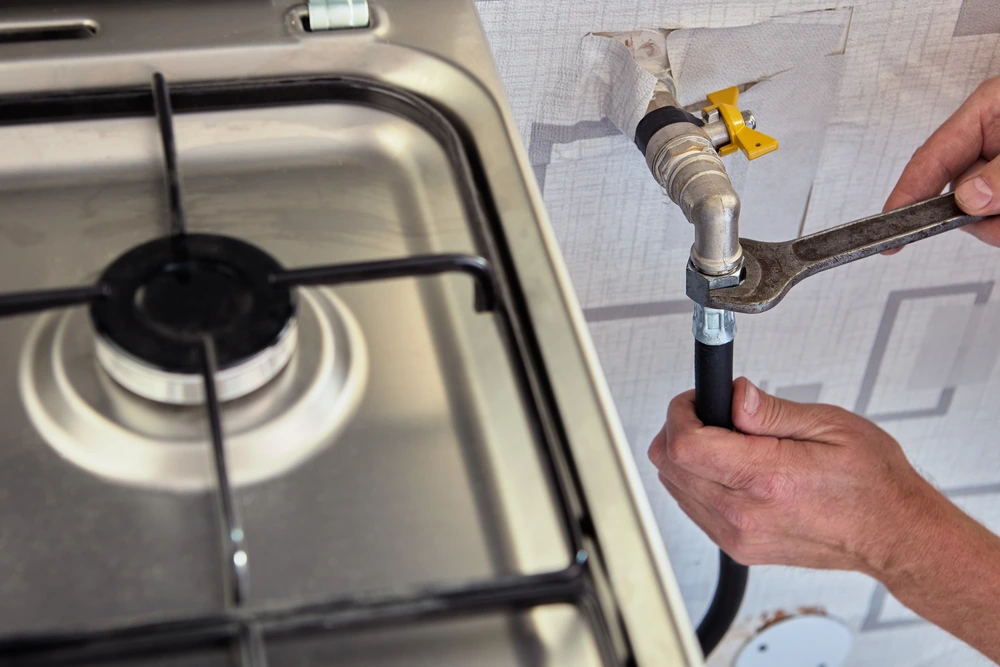
Improperly installed pipes or loose fittings are frequent culprits behind leaks. Even new systems can develop issues if joints weren’t sealed correctly.
Diverse Plumbing and Gas often see leaks caused by cross-threaded fittings, missing washers, or incorrectly soldered joints. Ensuring your plumbing is installed by certified professionals significantly lowers this risk.
Chemical Corrosion and Water Quality
High mineral content, acidic water, or chemical exposure can corrode metal pipes. Over time, this corrosion creates small pinhole leaks that grow larger if ignored.
Testing your water and treating it with neutralisers or filters helps extend the lifespan of your pipes. Copper, brass, and steel are all susceptible to corrosion if water chemistry is unfavourable.
When to Call a Professional
If you notice persistent damp patches, unexplained water bills, or the sound of dripping behind walls, it’s time to call a professional. Diverse Plumbing and Gas can identify what causes leaky pipes and provide effective solutions.
Attempting DIY repairs on hidden or pressurised pipes can worsen the problem. Engaging licensed plumbers ensures safety, compliance with Australian plumbing standards, and long-term protection for your property.
Conclusion
Understanding what causes leaky pipes helps you prevent damage and maintain your home or business plumbing. Ageing pipes, high pressure, temperature changes, accidental damage, blockages, poor installation, and corrosion are all common causes.
Regular inspections and timely intervention by professionals like Diverse Plumbing and Gas can save time, stress, and money. Don’t wait for a small drip to become a major issue — protect your plumbing system today.
FAQ
Q1: How can I detect a hidden leak?
Look for unexplained water bills, damp patches on walls or ceilings, or unusual sounds of dripping.
Q2: Can high water pressure damage new pipes?
Yes, consistently high pressure stresses joints and fittings, potentially causing leaks even in new installations.
Q3: Are PEX pipes safe from leaks?
PEX pipes are durable, but they can still leak if exposed to UV light, extreme heat, or if fittings are improperly installed.
Q4: How often should I have a plumbing inspection?
A yearly inspection is recommended, especially in older homes or commercial properties, to catch small leaks early.