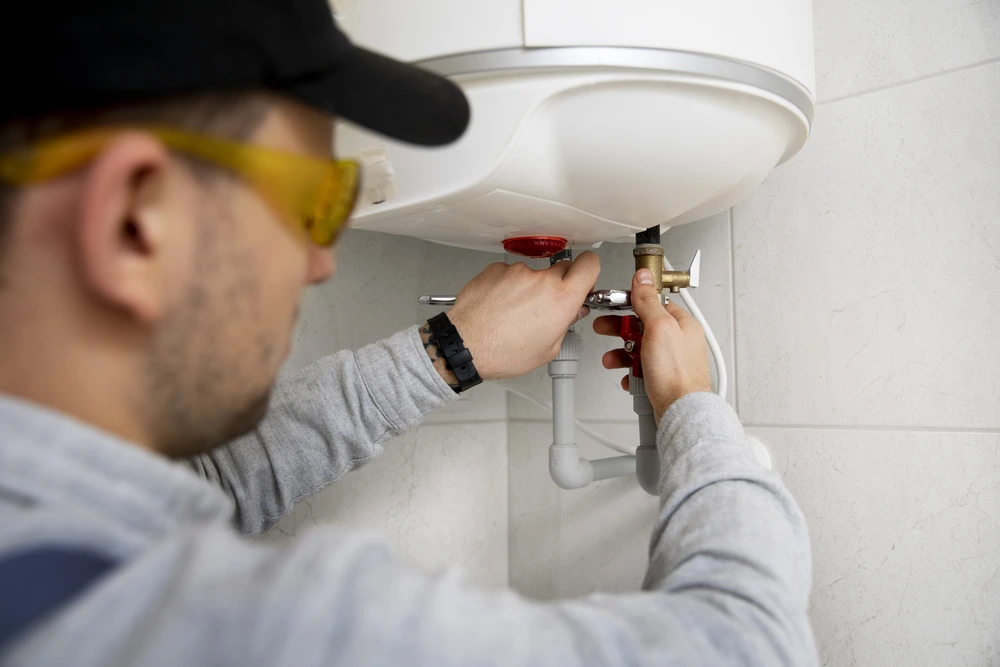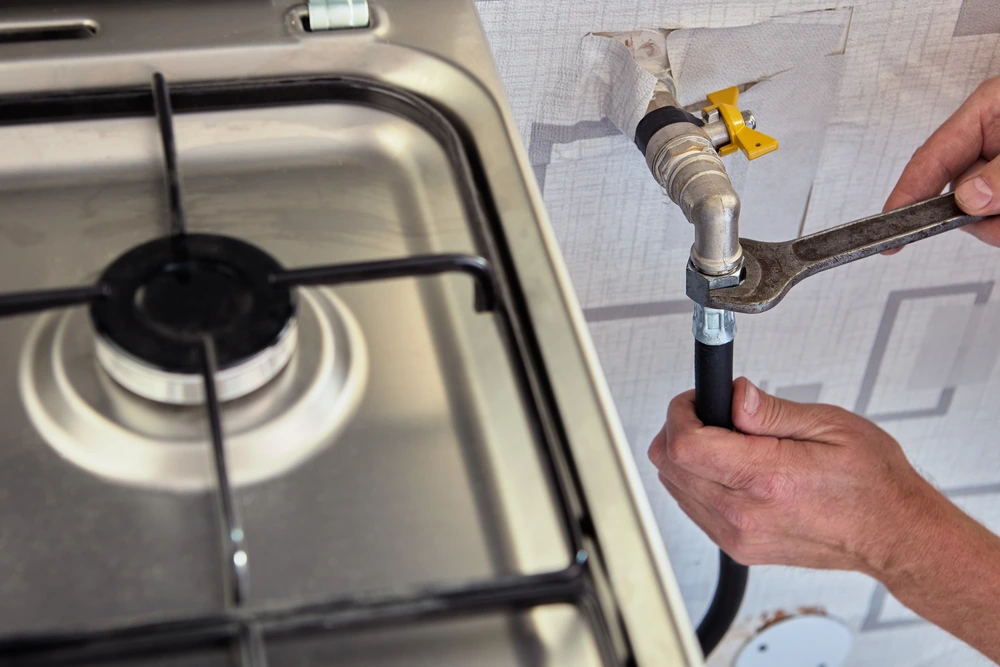
When a plumbing problem appears out of nowhere, it can disrupt the flow of your entire day. That’s exactly when having access to a reliable emergency plumber becomes essential. Whether it’s a leaking pipe, a blocked drain, or an unexpected burst in your plumbing system, urgent issues demand immediate attention and a level-headed approach to prevent further damage.
Most homeowners don’t think about plumbing until something goes wrong, and by then, the need for fast, professional help becomes very clear. The right support not only restores your home’s comfort but also protects your property from costly issues that can escalate quickly if left unattended. That’s why understanding how emergency plumbing services work, and why timing matters, is so important.
Having an emergency plumber in Melbourne available when things go wrong brings a sense of reassurance. Melbourne’s older homes, varied building styles, and busy urban lifestyle often require quick, informed decisions during plumbing emergencies. A skilled professional knows how to manage these situations efficiently, ensuring your home stays safe, functional, and free from further disruption.
What Counts as a Plumbing Emergency?
Not every dripping tap is an emergency, but some plumbing issues simply can’t wait. Victorian law explicitly lists certain problems, like a burst water service or a broken toilet system, as urgent repairs that make a home unsafe or unlivable. In plain terms, any issue that could flood your home, pose a health hazard, or cut off essential services is an emergency. Common examples include:
- Burst or Burst Pipe: A supply pipe that has cracked or broken, causing water to spray or gush uncontrollably. This can flood ceilings, walls or yards and waste hundreds of litres of water in minutes.
- Serious Leaks: Major leaks from under the floor, behind walls or in ceilings. These can cause structural damage, damp or even electrical hazards if water reaches wiring.
- Blocked Sewers/Drains: Overflowing toilets or drains are both unsanitary and a sign of backflow risks. A blocked main drain can quickly flood lower floors.
- Loss of Hot Water in Winter: While not as dramatic as floods, losing hot water is considered an urgent repair under Victorian rental laws.
How Emergency Plumbers Respond (24/7 Service)
Emergency plumbers in Melbourne are on call day and night, weekends and holidays. Local water authorities even advertise 24×7 fault lines for emergencies, and reputable plumbing companies mirror that availability. When you ring an emergency plumbing service, here’s what typically happens:
Immediate Advice: The dispatcher will often give you on-the-spot instructions. For example, you may be told to turn off the main water valve to stop flooding or to isolate electricity if flooding near outlets.
Rapid Dispatch: A nearby licensed plumber is sent out right away. In metro Melbourne, you might see a marked plumbing van on its way within minutes. Even in outer suburbs, many emergency plumbers aim to arrive within an hour for major crises.
Arrival and Assessment: Upon arrival, the plumber assesses the situation – locating the source of the leak or blockage using specialised tools like leak detectors or inspection cameras. They’ll explain the issue in plain language.
Fast Repairs: With portable equipment on hand (drain snakes, hydraulic jetters, pump-out trucks, clamps, etc.), the plumber works to stop the damage immediately. For example, they might snake a tree-root blocked sewer line on the spot, or clamp a burst copper pipe.
Throughout this process, a good emergency plumber will communicate clearly: telling you what they’re doing and why. They’ll also advise on any temporary measures and how to minimise damage while you wait. Because water and sewer emergencies are so time-sensitive, the speed and skill of an emergency plumber can save thousands of dollars in property damage and restore your household quickly.
Tools, Techniques and Safety First
Emergency plumbers arrive equipped for action. Some tools and techniques they use include:
Pipe and Leak Detection: Advanced sensors or acoustic gadgets to pinpoint hidden leaks behind walls or under slabs without demolition.
Drain Clearing Gear: High-pressure water jetters or electric snakes to blast through tree roots and debris causing blockages.
Temporary Fixes: Epoxy putties, clamps or rubber sleeves to temporarily seal a burst pipe section until a permanent repair can be made.
Pump-Out and Vacuum Trucks: For sewage backups or flooded areas, these remove water and waste quickly to reduce damage.
Hot Water System Tools: Gas leak detectors or electronic multimeters to safely troubleshoot hot water system faults.
Throughout it all, safety is paramount. Emergency plumbers follow strict protocols: they secure the site, check for secondary hazards (electrical risks or gas leaks), and often wear protective gear. They may also coordinate with other emergency services if, say, a major flood risk requires evacuation. Importantly, only licensed plumbers should perform these repairs. By law, unlicensed work, even in an emergency, can be illegal and unsafe. A local licensed plumber carries the proper certificates and insurance, giving you confidence in the fix.
Costs and Considerations
Naturally, emergency plumbing tends to cost more than routine plumbing. You’ll typically see a higher call-out fee and overtime rates because the plumber is dropping everything to help you. While we don’t have government pricing lists, here are some general notes:
- Expect a Premium: Emergency plumbers factor in travel, 24/7 availability and urgency. Rates can double at night, weekends or public holidays.
- Transparency: A professional plumber will outline the call-out fee and estimated hourly rate over the phone. They should give you a rough total before starting work.
- Quotation and Payment: After fixing the emergency (stopping the leak or clearing the block), they’ll often follow up with a more detailed quote for permanent repairs. Payment methods usually include EFT, credit card, or cash.
- Insurance and Warranties: Check if the plumber offers any guarantee on repairs (many reputable ones do for their work). Also, if you have home insurance covering water damage, keep receipts; some claims may cover emergency plumbing bills if it is unavoidable.
While cost is a concern, delaying emergency plumbing can lead to far more expensive damage. As Consumer Affairs Victoria reminds renters, urgent repairs must be done immediately to keep properties safe. In a homeowner scenario, that logic still applies.
Tips for Homeowners Facing a Plumbing Emergency
When a plumbing crisis hits, here are some steps you can take before the pros arrive:
- Turn Off the Water: Find your mains shut-off valve (usually near the water meter or inside your home) and close it. This stops additional flooding.
- Shut Down Power in Affected Areas: If water is pooling near electrical outlets or appliances, turn off electricity at the main switch for that area to avoid shocks. Don’t wade into standing water with power on.
- Contain the Water: Move furniture or valuables out of the way. If safe, use buckets or rags to capture dripping water and minimise the spread.
- Stay Safe: If you smell gas or suspect a gas leak, evacuate immediately and call the gas emergency number before anything else. Otherwise, keep kids and pets away from the leak zone.
- Call the Plumber Quickly: The sooner you notify a professional, the better. Give clear details (e.g. “burst pipe under kitchen sink, water everywhere”) so they can prepare the right tools before arriving.
Finally, once the immediate crisis is under control, ask your plumber for advice on preventing future problems. They might suggest replacing old corroded pipes, installing better valves, or installing devices like a water alarm sensor. Regular maintenance can cut down the chance of next time.
Finding a Trusted Local Emergency Plumber
In a city like Melbourne, you have many plumbers to choose from – so how do you pick a good emergency specialist? Here are some pointers:
- Check Credentials: The plumber should be fully licensed in Victoria. (You can ask for their registration number or check the Victorian Building Authority’s online register.) This ensures they meet safety and quality standards.
- Read Reviews and Word of Mouth: Look for local customer reviews or ask neighbours and friends for recommendations. A small family-run plumbing business with a good local reputation is often a safe bet.
- Verify 24/7 Availability: Not all plumbing companies actually answer calls after hours. Make sure the one you choose explicitly offers a 24/7 emergency service, not just advertised hours.
- Upfront Pricing: The best emergency plumbers will give you clear pricing info. Beware of quotes that sound too low to be true; sometimes an impossibly cheap quote is missing parts of the job.
- Customer Service: Even in an emergency, polite and clear communication is important. The plumber should explain the issue and solution without making you feel pressured. A good communicator is often a sign of professionalism.
Preventing Future Emergencies
Finally, the best strategy is to avoid the emergency in the first place. Routine plumbing maintenance is key:
- Inspections: Have a plumber inspect your system every few years. They can spot corroded pipes or fittings before they fail.
- Tree-Root Management: If you have mature trees, consider having drain jets done yearly. Roots are a common cause of sudden blockages.
- Water Pressure: High water pressure can stress pipes. Installing a pressure regulator can extend pipe life.
- Winter Prep: Even in Melbourne’s milder climate, insulate exposed pipes if a cold snap is forecast. Trenchless relining or repiping older lines proactively can save headaches.
By staying on top of maintenance, you reduce the chance of a midnight plumbing panic. But if a genuine emergency does arise, you now know that help is available 24/7 in Melbourne and how it works.
Conclusion
Urgent plumbing issues can escalate quickly, but knowing how an emergency plumber tackles these situations helps you understand what to expect and how to respond. From identifying the root cause to applying the right repair techniques, their expertise plays a crucial role in protecting your home from further damage. Whether it’s a burst pipe, a sudden leak, or an after-hours emergency, timely action ensures your plumbing system remains safe and functional.
As we’ve explored throughout this blog, having access to trained local professionals matters, especially in a busy city like Melbourne, where plumbing systems vary widely in age and condition. Emergency plumbing services provide not just quick fixes but reliable, long-term solutions, offering homeowners peace of mind when unexpected problems arise.
When urgent issues arise, you need a local emergency plumber who responds quickly and works with precision. At Diverse Plumbing and Gas, we specialise in emergency plumbing services, including leak repair, burst pipe repair, and fast solutions for blocked or damaged systems. Our licensed team is committed to restoring safety and comfort to your home with reliable, professional workmanship. For immediate assistance, contact us today.
FAQs:
What exactly counts as a plumbing emergency?
A plumbing emergency is any problem that creates immediate danger or makes your home uninhabitable. This includes burst pipes flooding rooms, toilets or drains overflowing, total loss of essential services, or any leak causing major structural damage. Victorian law defines things like burst water services and broken toilet systems as urgent repairs that must be fixed immediately. If you’re ever unsure, it’s safer to call a 24/7 plumber and let them assess; they can tell you if it qualifies as an emergency.
How fast can an emergency plumber arrive in Melbourne?
Response times vary by location and time of day. In central Melbourne and nearby suburbs, many emergency plumbers aim to reach you within 1–2 hours of a call, even after hours. In the outer suburbs, it might take a bit longer. The key is they’re prioritised, so they may sideline other jobs to get to you quickly. Some companies even offer priority or guaranteed response windows. When you call, ask the dispatcher for an expected arrival time. Meanwhile, follow any immediate steps to mitigate damage until the plumber arrives.
How much will it cost to call an emergency plumber?
Emergency plumbing is more expensive than normal daytime plumbing. You’ll usually pay a call-out fee plus an hourly rate that might also be higher on nights and weekends. Exact prices differ by plumber, so it’s best to get an estimate upfront if you can. Be aware of any extra charges. Keep in mind that while the cost can be high, delaying an emergency can lead to far greater damage in the long run.