Having a reliable hot water system is a modern comfort we all rely on, especially on a chilly Melbourne morning. Hot water system repairs can quickly become urgent if things go wrong. Whether it’s an ancient gas heater or a modern electric system, understanding how these repairs work will help keep the warmth flowing.
If your hot water stops working, a few things matter: the type of system (gas, electric, solar) and safety requirements. Plumbing rules in Victoria are strict – only licensed plumbers can do major repairs. We’ll explain compliance issues so you know what to expect when fixes are needed.
This guide covers everyday fixes, emergency hot water system repairs, and maintenance tips for Melbourne homes. Learn practical steps (and when to call the experts) so that a cold shower is the last shock of your day. Let’s dive in and keep your hot water system safe and reliable all year round.
Hot water system types at a glance: The table below outlines common systems, their energy source, lifespan, and typical repair issues.
| System Type | Energy Source | Typical Lifespan | Common Issues |
| Electric Storage | Electricity | ~10–15 years | Heating element burnout, thermostat failure, leaks |
| Gas Storage (Tank) | Natural gas/LPG | ~8–12 years | Pilot/burner faults, gas valve leaks, corrosion |
| Continuous Flow (Gas) | Natural gas/LPG | ~12–15 years | Ignition failures, heat exchanger corrosion |
| Solar (with backup) | Solar + backup | ~15–20 years | Pump/controller failure, panel leaks, scaling |
Electric Hot Water System Repairs
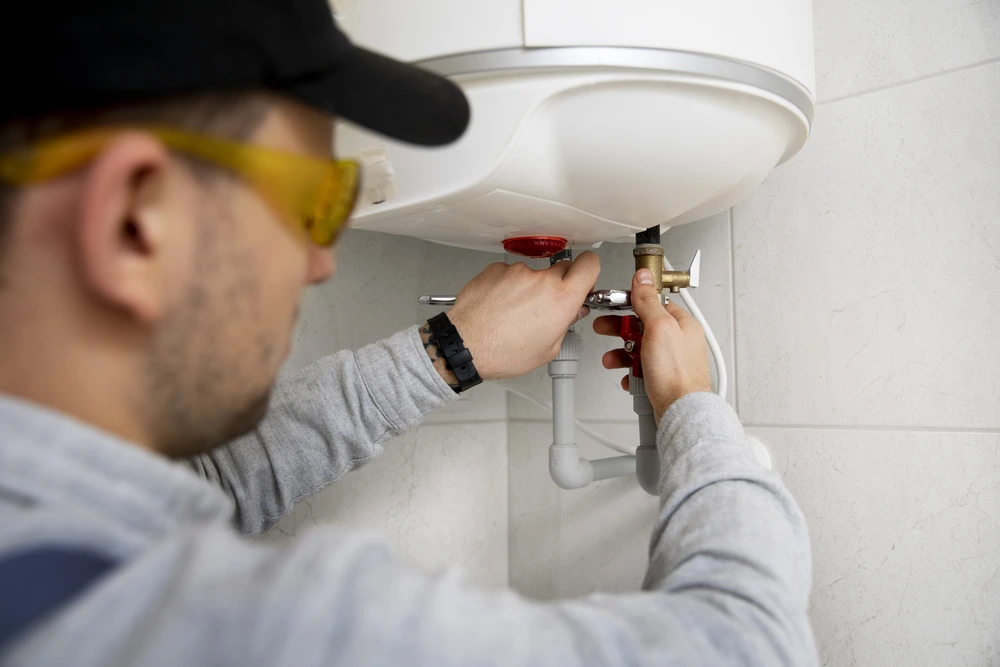
Electric storage hot water heaters are common in Melbourne homes thanks to their simplicity. Typical issues include tripped breakers, failed heating elements, or thermostat problems. A burnt-out element can leave you with lukewarm water, while a faulty thermostat might not heat the water at all. Leaks from the tank or valve failure can also occur over time.
Maintenance helps prevent many issues. Regularly flushing out sediment keeps elements from burning out prematurely. Checking the temperature-pressure relief valve and the sacrificial anode rod every few years can extend the tank’s life. Water heater maintenance tips often recommend an annual inspection by a professional.
- Check the power supply and reset breakers or safety switches if your electric heater stops working unexpectedly.
- Replace heating elements and thermostats promptly when they fail – these parts are usually affordable and extend heater life.
- Ensure all electrical connections are tight and the unit’s controls are set correctly (around 60°C tank storage, with mixing valves on taps).
For any substantial repairs, always hire a licensed plumber-electrician. In Victoria, only licensed plumbing professionals can issue the required compliance certificate after work. They have the expertise to handle wiring and safety, ensuring the repair meets regulations.
Gas Hot Water System Repairs
In many Melbourne homes, gas cylinders like these are used for hot water. Maintaining them properly is crucial: rust or leaks are hazards that require immediate professional attention.
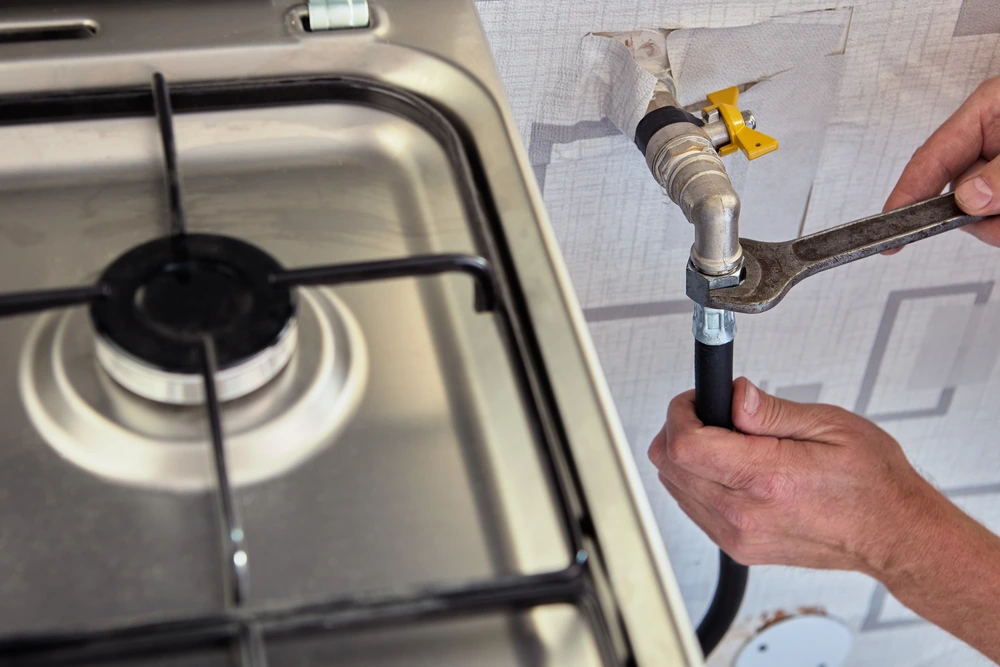
Gas hot water systems are common in Melbourne. These systems heat water using natural gas or LPG. Typical issues include ignition/pilot light failures, buildup of scale in the heat exchanger, thermostat faults, or leaks in the gas line. A malfunctioning gas valve or burner can mean no hot water.
Safety is crucial with gas systems. Consumer Affairs Victoria notes that gas appliances (including hot water systems) must be properly maintained, since neglected gas heaters can produce carbon monoxide. Install carbon monoxide detectors near any gas heater and schedule biennial gas safety checks by licensed plumbers.
Regular maintenance for gas heaters includes inspecting the flue and ventilation, checking pressure-relief valves, and ensuring gas lines are leak-free. All gas repairs should be done by a licensed gasfitter. If your hot water suddenly fails, treat it as an emergency. Many plumbing services offer 24/7 hot water system repairs to handle these situations promptly.
Solar Hot Water Repairs
Solar hot water systems combine rooftop solar collectors with a storage tank, often backed up by electric or gas heating. They’re popular in sunny Melbourne, but require extra care. Common issues include pump failures, leaking collectors, or backup elements not heating. Scale and corrosion can still affect pipes and tanks.
Maintenance and troubleshooting tips for solar systems:
- Keep collectors clean: Remove debris and check panels for cracks or leaks.
- Check the pump and controller: Ensure the circulation pump is running and the control settings are correct.
- Inspect connections: Look for rust or drips in valves and joints, and test the backup heating element or gas burner.
For any repairs beyond simple checks, call a professional with solar experience. A licensed plumber can test and fix the collectors, pump, sensors, and backup heater. Proper repair of solar hot water systems often involves both plumbing and electrical work. Investing in routine solar hot water repairs prevents long disruptions and keeps the system efficient.
Emergency Hot Water Repairs
This outdoor tap has seen some weathering. Exposed fixtures like this can corrode or freeze in Melbourne’s climate, and any leak in your plumbing system should be addressed to protect your hot water supply.
In Melbourne, sudden hot water failure should be treated as an emergency. First, ensure safety: turn off the power or gas supply to the unit, and shut off the water supply if there’s a leak. Open windows if you suspect a gas leak.
Most professional plumbers offer 24/7 hot water system repairs for exactly these situations. If a licensed plumber is unavailable, you may need to pay up to $2,500 for an after-hours fix under the law. That’s why having a reliable 24-hour service is so important.
- Turn off the heater: Cut power or gas to prevent damage or danger.
- Call a licensed plumber: Explain the issue and that it’s an emergency; reputable companies respond quickly.
- Know your address and symptoms: When emergency services arrive, they’ll ask about the type of system and any noises or smells.
Even outside emergencies, keep your plumber’s number handy. Having a hot shower should never be a game of chance in Melbourne’s weather.
Compliance and Safety
Pictured here is a typical plumbing setup with multiple pipes and valves. Such complex configurations are common in Melbourne hot water installations, which is why Victoria requires licensed professionals for any plumbing or gas work. Plumbing regulations in Victoria are strict to protect users.
Licensing: Any hot water work beyond simple fixes must be done by a licensed plumber or licensed gasfitter. Only a licensed professional can issue the official compliance certificate to confirm the job meets the Australian plumbing code. Always ask to see your plumber’s photo ID and licence before work begins.
Temperature safety: By law, water must be stored hot (above 60°C) to prevent bacterial growth, but delivered at a cooler temperature. The plumbing code requires a maximum of 50°C at showers and taps (45°C in high-risk facilities like nursing homes or childcare). This is enforced via tempering or mixing valves, which blend cold water to prevent scalding.
Install modern safety devices: Thermostatic mixing valves can precisely cap tap temperature, and pressure-relief valves prevent tank rupture. If you’re upgrading an old heater, ensure these devices are fitted to comply with current regulations. Ultimately, following these guidelines ensures your hot water system is both efficient and safe.
Repair Costs and Considerations
Repair costs can vary widely depending on the issue and system. As a rule of thumb:
- Minor repairs: Replacing parts like thermostats, heating elements, or anode rods is relatively inexpensive (often a few hundred dollars including labor). Routine maintenance (flushing or replacing valves) also costs less.
- Major repairs: Fixing a leaking tank or replacing a failed heat exchanger can be expensive. In some cases, replacing the whole unit may be more cost-effective than repair.
- Gas vs Electric: Gas systems often have higher service costs due to the complexity of gas valves and flues. Electric repairs usually involve electrical work and can be quicker, but emergency call-out fees still apply.
- Emergency services: After-hours or emergency repairs can incur extra surcharges. Many plumbers offer 24/7 service, but expect to pay more for nights and weekends.
- Professional service plans: Some companies offer bundled hot water system services, including maintenance contracts and extended warranties. These plans can save money on call-out fees and provide regular system check-ups for peace of mind.
Always get a detailed quote before work begins. A reputable service will explain the job and show the required permits or certificates. In the long run, investing in maintenance can save money by preventing major breakdowns.
Conclusion
We’ve covered the essentials for Melbourne hot water system repairs, how electric, gas, and solar systems work, and how to fix common faults. Proper maintenance prevents many problems. We also stressed the following regulations: always use licensed plumbers and keep tap water below 50°C to prevent scalding.
Costs can vary, so get multiple quotes and written estimates. Remember, emergencies (no hot water or gas leaks) are legally urgent and require a 24/7 response. In short, stay proactive: regular checks and a plan for urgent repairs will keep you from being caught cold.
When you need help, contact Diverse Plumbing & Gas for fast, friendly service in Melbourne. Our licensed team is available 24/7 for repairs, installations, and maintenance of all hot water systems. Get in touch to keep your hot water safe, reliable (and your showers warm!).
FAQs:
How much do hot water system repairs cost in Melbourne?
Repair costs vary based on the issue and system type. Minor fixes might cost a few hundred dollars, while major repairs could run into the thousands. Gas systems usually cost more to service than electric systems. It's best to get multiple quotes and compare them before deciding.
Can I repair my hot water system myself?
No. By law in Victoria, any plumbing or gasfitting work on a hot water system must be done by a licensed professional. Attempting DIY repairs can be dangerous and may void warranties or violate regulations. Always hire a qualified plumber or gasfitter for repairs.
How often should I service my water heater?
Regular maintenance keeps your water heater running well. Flush the tank at least once a year to remove sediment, and check the pressure-relief valve, thermostat, and anode rod periodically. For gas heaters, a licensed gasfitter should inspect the system every 2 years, as required by Victorian safety rules.