Keeping your home in peak condition requires more than just surface-level upkeep, and one area that’s often overlooked is plumbing maintenance. For Melbourne homeowners, staying on top of their plumbing system is essential to avoid unexpected breakdowns, costly water damage, and unnecessary stress. From ageing pipes in heritage homes to high water usage in growing suburbs, the demands placed on residential plumbing systems across the city are varied and constant.
Melbourne’s diverse climate, characterised by cold winters, summer heatwaves, and sudden downpours, can accelerate wear on pipes, fittings, and drainage infrastructure. When combined with mineral-heavy water and changing regulations, this environment creates a compelling case for regular inspections and upkeep. Preventive care allows you to identify and address these early, improving efficiency and extending the life of your plumbing system.
That’s why plumbing maintenance in Melbourne is more than a task; it’s a long-term investment. With routine checks and expert guidance, you can protect your home, meet compliance standards, and avoid the inconvenience of emergency repairs. This guide will walk you through practical tips, seasonal advice, and essential services tailored to Melbourne homes.
Why is Regular Plumbing Maintenance Important?
Routine plumbing maintenance is the smart way to protect your home. It prevents small issues from becoming emergencies, saves money, and even conserves water. Consider these key benefits:
Prevent costly breakdowns: Small drips or clogs that are fixed early won’t turn into burst pipes or major flooding. Emergency repairs can run 1.5 to 2 times higher than scheduled maintenance. For instance, fixing a minor leak now could save you thousands in future water damage costs.
Extend system lifespan: Regular care makes your plumbing last longer. Experienced plumbers note that the difference between a system lasting 15 years versus 30 years often comes down to maintenance. Flushing sediment from the water heater or clearing mineral buildup helps delay premature failures.
Save water and energy: Leaks and inefficiencies waste water and drive up bills. A Victorian Building Authority tip reminds us that leaking taps or pipes can waste more than 2,000 litres of water per month. Replacing worn washers and fixing drips promptly can significantly cut water use and utility bills.
Peace of mind and safety: A regular maintenance schedule helps identify hidden issues early. This means you sleep better knowing your home isn’t sitting on a ticking plumbing time bomb. It also ensures your system meets local standards, keeping your family safe and comfortable.
Regular checks catch trouble early. An annual maintenance schedule is needed to prevent or identify problems early. In practice, that means scheduling a plumbing inspection or doing a home maintenance walk-through at least once a year. By acting proactively, you avoid nasty surprises, no midnight panics over a burst pipe or cold shower!
Common Residential Plumbing Maintenance Tasks
What exactly should you do to keep your plumbing in top shape? Many routine tasks are simple enough for a handy homeowner, while others are best left to the pros. Below is a quick checklist of common maintenance jobs and how often to tackle them:
| Task | Benefit |
| Fix minor leaks | Prevent water waste and water damage, leaks can soak walls or foundations if ignored. Replace worn rubber washers or pipe tape at the first sign of a drip. |
| Clean drains | Keeps drains flowing and avoids clogs. A simple baking soda+vinegar flush can clear gunk before it blocks the pipes. |
| Inspect faucets, aerators & showerheads | Ensures good water flow and detects small leaks. Mineral deposits often clog these; removing and soaking them keeps water pressure up. |
| Flush the hot water heater | Removes sediment that collects in the tank. This improves heater efficiency, extends its life, and ensures reliable hot water. |
| Check for leaks around appliances | Inspect hoses behind washing machines and dishwashers for cracks. These flexible hoses can fail with age; replacing them yearly can prevent major floods. |
| Clean gutters and downspouts | Prevents clogs that back up water. Overflowing gutters can dump water close to foundations and even intrude via drains. Keeping gutters clean protects your home’s structure. |
| Test the sump pump | Ensures it’s ready for heavy rain. Pour a bucket of water into the sump pit to see that the pump activates and drains properly. |
| Monitor water pressure | Helps spot hidden issues. Sudden pressure drops can indicate blockages or a failing pump. Addressing this early avoids bigger problems. |
Preventative Plumbing Services: Plan Ahead
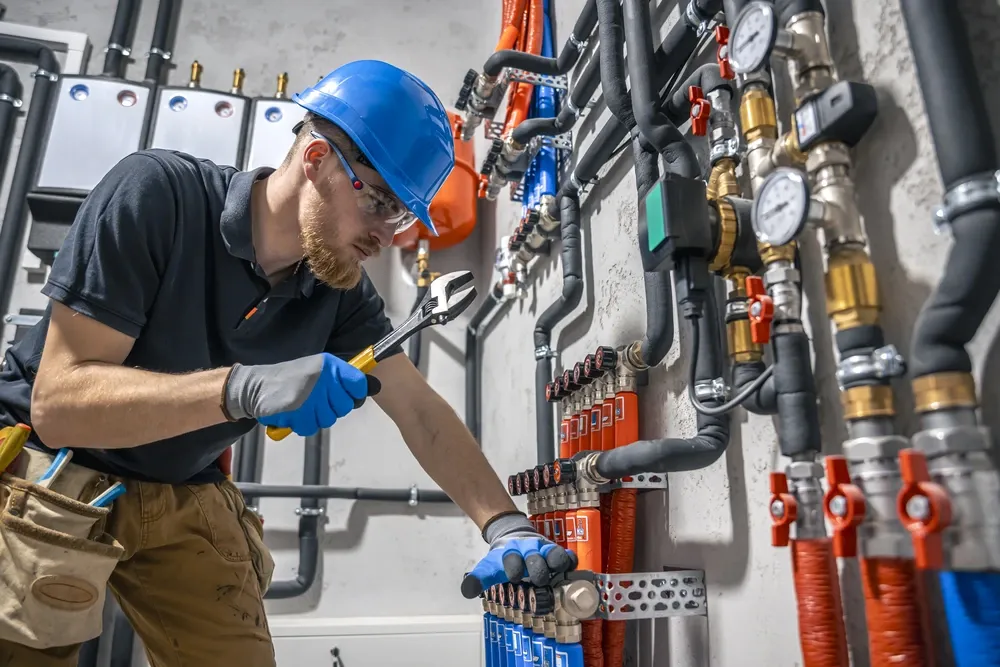
Beyond DIY checks, many Melbourne plumbers offer preventative plumbing services. This means scheduling routine inspections and minor tune-ups to proactively avoid trouble. In other words, don’t wait for a kitchen flood; have a professional inspect and service your system first.
What does this involve? In short, preventative plumbing is about regular care to keep everything functioning properly. It includes steps like checking all visible pipes for leaks or corrosion, testing water pressure, and ensuring fixtures (taps, toilets, water heaters) operate correctly. A professional visit might include:
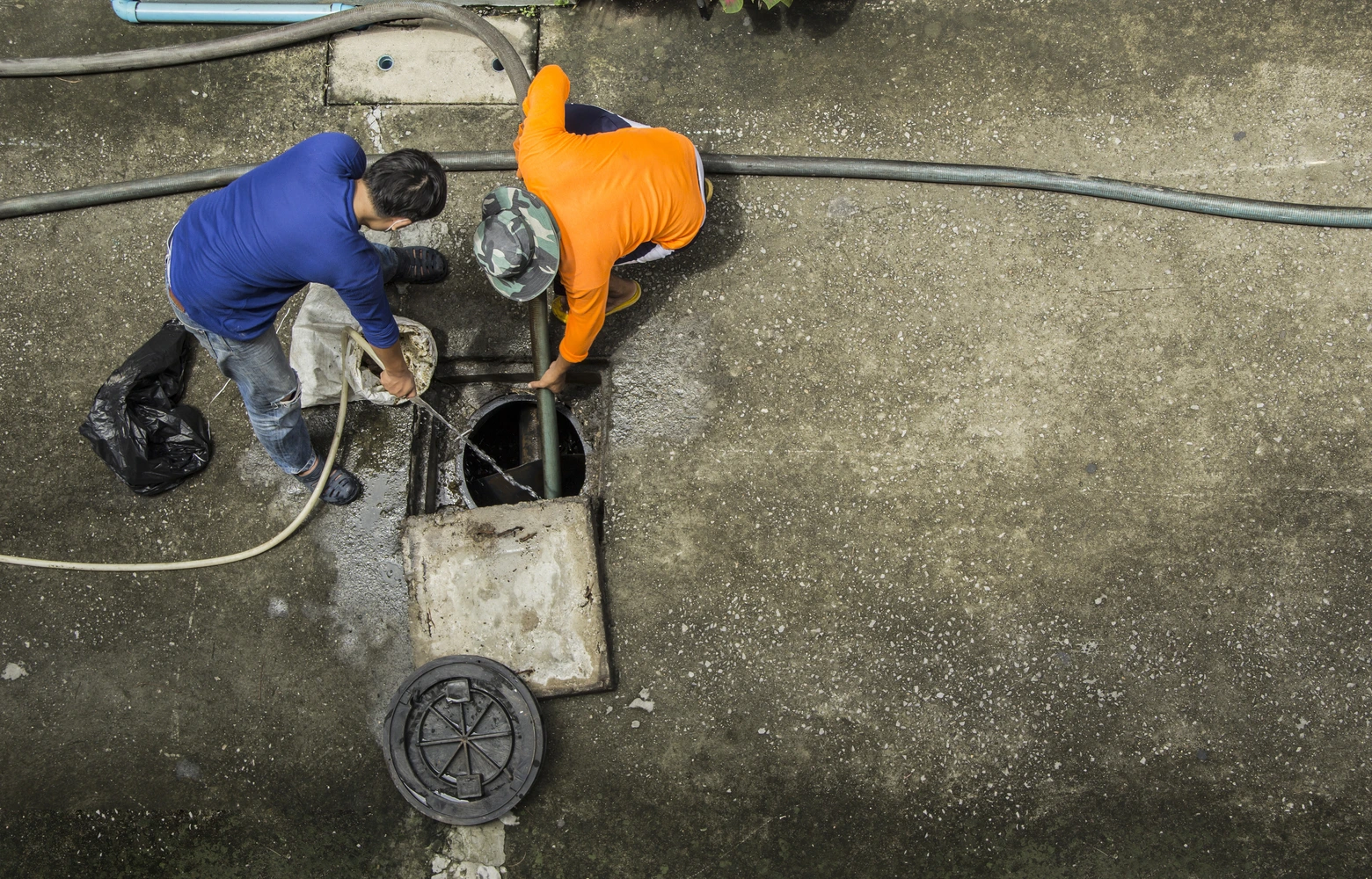
- Inspecting drains and pipes with a video camera to spot hidden blockages or cracks.
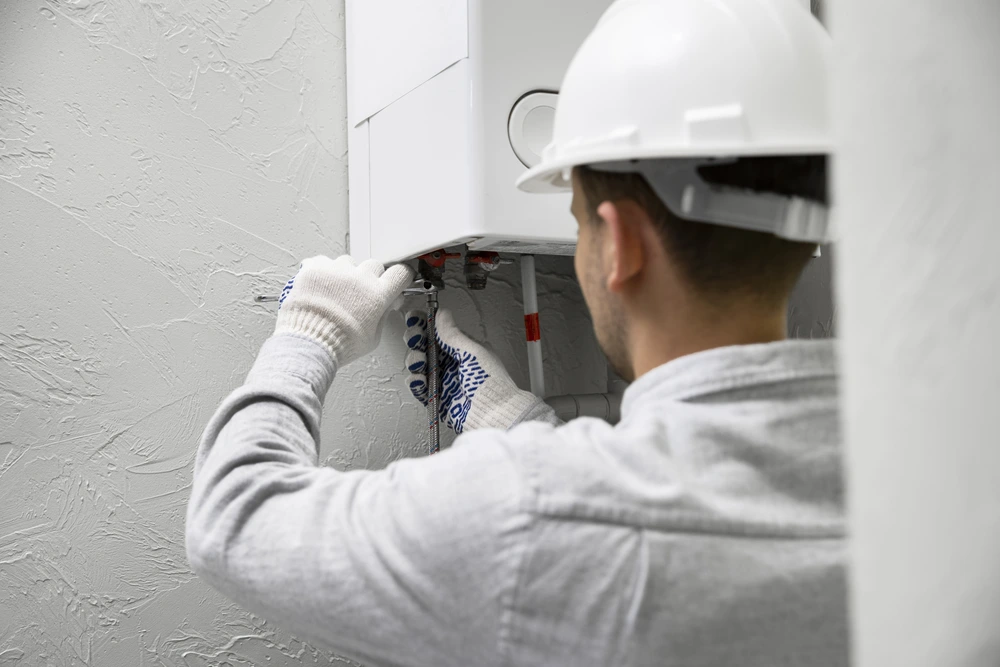
- Testing your hot water system (flushing sediment, checking anode rods and pressure valves) to avoid unexpected failures.
- Checking appliances and safety devices (like gas connections or backflow preventers) to make sure they’re compliant and leak-free.
- Running water usage and leak tests to find even slow drips that add up.
By handling these tasks before an emergency, you greatly reduce risk. Studies show the modest cost of preventive visits is far outweighed by avoiding emergency repairs. Routine maintenance can save thousands of dollars by stopping small issues from evolving into major breakdowns.
When booking preventative services, always choose a licensed provider. In Melbourne, any work beyond basic chores must be done by a plumber registered with the Victorian Building Authority. As the VBA notes, to do any plumbing work in Victoria, a plumbing practitioner must be licensed. In practice, you can tighten loose washers or clear superficial clogs on your own, but tasks like replacing a tap, repairing a pipe, or servicing a gas hot-water unit legally require a qualified plumber.
Moreover, licensed plumbers have the training and equipment to thoroughly inspect your system. Always ask your plumber to show their registration card. A good preventative maintenance plumber is detail-oriented: they might replace worn gaskets, adjust water pressure regulators, or simply give you tips to spot issues early. Their goal is to catch problems you wouldn’t notice, for example, identifying the early signs of a corroded pipe before it bursts.
Licensed Plumbing Services in Melbourne
Choosing a licensed plumbing service in Melbourne is essential. Licensed plumbers follow the Victorian regulations and standards, so you know the work is safe and up to code. In Melbourne, reputable plumbing companies offer a range of services, from routine maintenance to emergency repairs.
A licensed emergency plumber provides a 24/7 response when disaster strikes: burst pipes, gas leaks, or no-hot-water crises. These are lifesavers when you need one, but remember: they handle crises, not preventive care. You should only have to use an emergency plumber rarely if you’ve kept up with maintenance.
When you do need a pro, look for a 24/7 emergency plumber Melbourne or licensed plumbing services Melbourne to find companies that emphasize quick, reliable care. Always confirm they carry insurance and a license card.
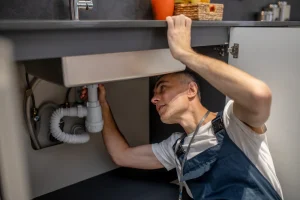
Smart Plumbing Maintenance for Melbourne
In summary, regular plumbing maintenance is an essential part of responsible homeownership in Melbourne. From early leak detection to improving water efficiency and extending the life of your plumbing system, proactive upkeep prevents costly emergencies and ensures long-term peace of mind. Melbourne’s climate and infrastructure demands make it even more important to stay ahead with scheduled checks and preventative measures.
By incorporating both DIY routines and professional services, homeowners can maintain a safe, compliant, and efficient plumbing system year-round. Whether it’s flushing your hot water system, inspecting for hidden leaks, or scheduling an annual inspection, each step plays a role in safeguarding your home’s comfort and value.
If you’re ready to take the stress out of plumbing upkeep, get in touch with the trusted team at Diverse Plumbing & Gas. We offer professional, licensed plumbing services across Melbourne, covering everything from routine inspections to emergency repairs. Contact us today to book a service or request a tailored maintenance plan for your home.
FAQs:
How often should I schedule plumbing inspections in Melbourne?
Most experts recommend a full plumbing inspection at least once a year. However, older homes, properties with high water usage, or those in tree-dense suburbs may benefit from biannual check-ups to catch early signs of root intrusion or corrosion.
What does preventative plumbing maintenance include?
Preventative services typically include leak detection, drain cleaning, hot water system flushing, pressure testing, and inspection of fixtures and pipework. These checks identify minor faults before they escalate, saving time and money in the long run.
Can I do my plumbing maintenance, or should I call a professional?
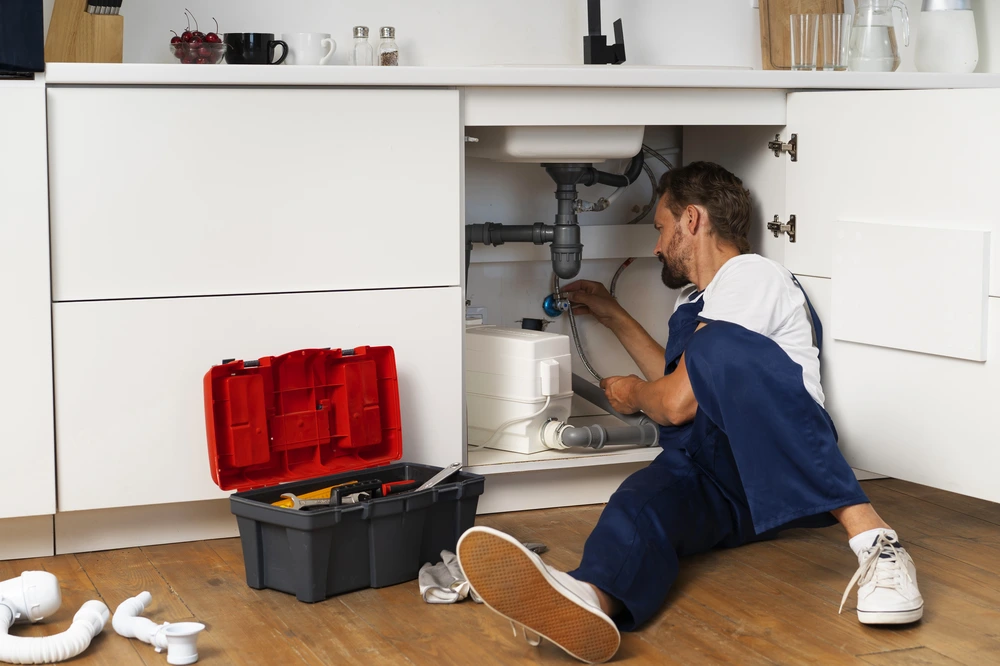
Homeowners can handle basic tasks like cleaning drains or replacing tap washers. However, anything beyond minor repairs, such as fixing pipework, servicing hot water systems, or gas-related issues, should always be done by a licensed Melbourne plumber.