Every homeowner in Melbourne dreads waking up to a flooded kitchen or smelling gas in the middle of the night. An emergency plumbing service can be a literal lifesaver when leaks, burst pipes, or gas issues strike without warning. In this guide, we’ll explain what counts as a plumbing emergency, how 24/7 plumbers operate, and what you can expect to pay for urgent fixes. You’ll also learn simple safety steps to take until help arrives.
Understanding what qualifies as an emergency and how professionals handle such situations can save you stress and costs. From sudden leaks and sewage backups to gas hazards and hot water system failures, knowing when and how to call for help is key. A trusted 24/7 plumber can assess the situation, contain the problem, and carry out the necessary repairs efficiently, often preventing more severe damage to your home.
For homeowners across Melbourne, relying on licensed local experts ensures that repairs are carried out safely and correctly. Emergency plumbing services in Melbourne combine speed, expertise, and proper equipment to handle urgent issues without compromising quality or safety, giving residents confidence that help is always just a call away.
When to Call an Emergency Plumber
Not every drip or leak needs a rush call, but some plumbing problems must be fixed immediately. In Victoria, urgent plumbing repairs legally include things like a burst water service, blocked or broken toilet, gas leak, or any fault causing major leaks. In plain language, call for emergency help if a problem risks safety or causes extensive water damage. For example:
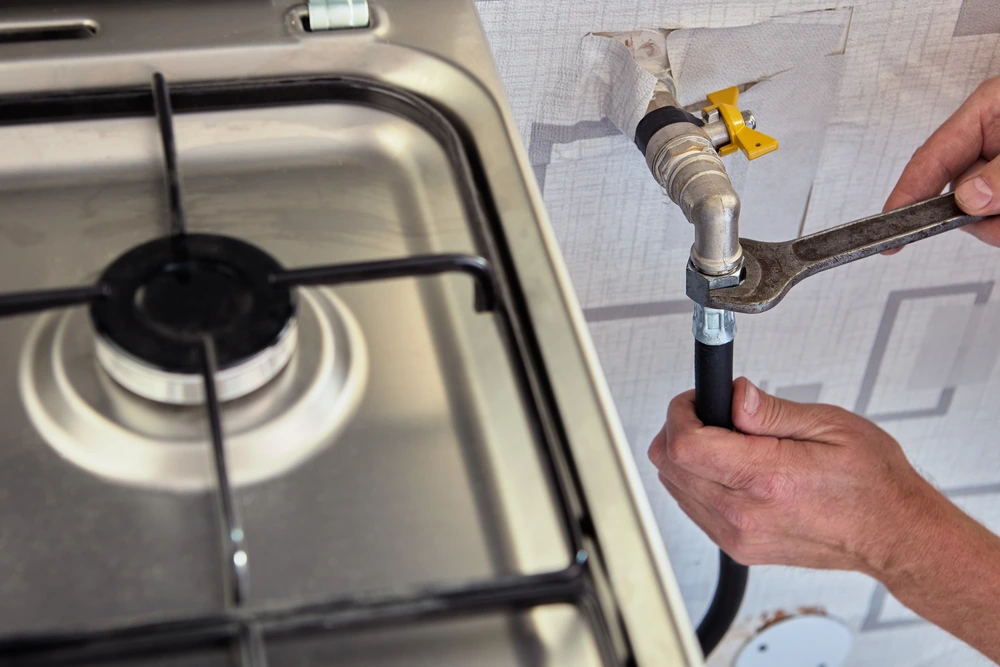
Gas leaks: The instant you smell gas or hear a hissing sound, treat it as an emergency. Shut off the gas supply at the meter if it’s safe, evacuate the area, open windows to ventilate, and call 000 immediately. A licensed gas fitter must inspect and fix leaks; never ignore these signs.
Burst pipes or flooding: A pipe that’s spraying water can flood rooms and ruin belongings in minutes. Even a small dripping leak, if left unattended, can eventually rot walls and floors. Any sudden flood or steady drip warrants a 24/7 plumber’s attention.
Severe blockages or sewage backups: A completely blocked drain or overflowing toilet is a health hazard and must be unclogged right away. Raw sewage can flood floors and carry bacteria. Don’t wait if the toilets won’t flush or if the shower water pools; call an emergency plumber for prompt drain cleaning.
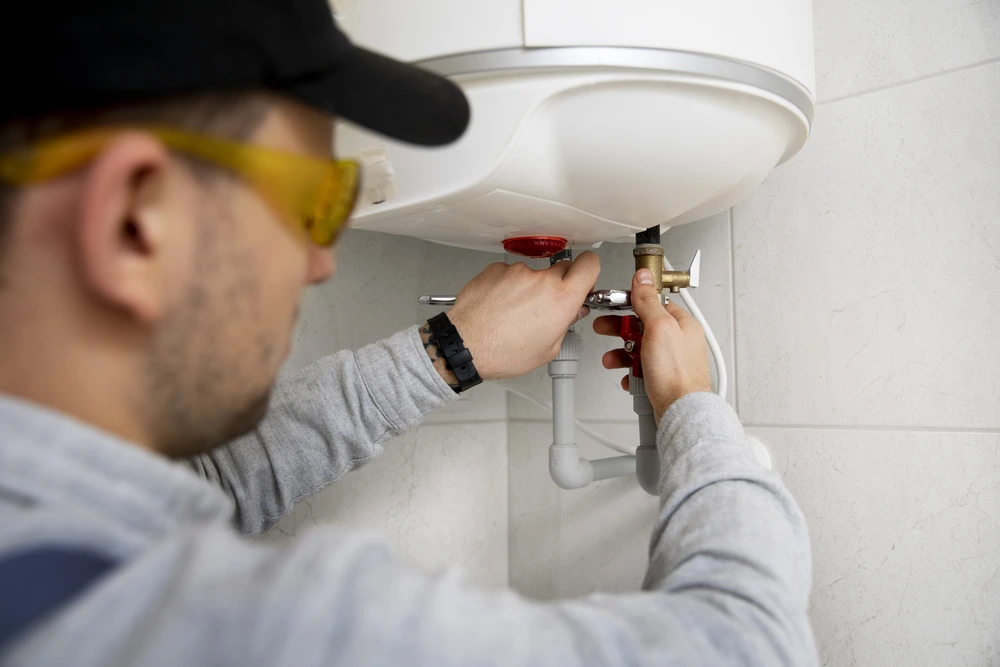
No hot water: Losing hot water in cold weather or finding your water heater leaking may count as urgent, especially if it leaves you without heating or sanitation. While not as dangerous as gas or flooding, many plumbers offer overnight service to restore hot water quickly.
Steps to Take Before the Plumber Arrives
When a plumbing crisis hits, quick action can limit damage. Follow these steps immediately:
- Shut off water or gas supply (if safe): Locate your main water valve and turn it off to stop flooding. If a gas smell prompts an emergency, turn off the gas at the meter or cylinder.
- Ventilate and evacuate if needed: Open windows and doors to air out gas fumes. Leave the area (and the house, if indoors) if gas is present or if flooding is severe.
- Avoid electricity or ignition: Don’t switch lights or appliances on or off near water or gas vapour. Extinguish any flames and avoid sparks.
- Clear the area: Remove valuables and move furniture out of reach. Keep floors clear so the plumber can work safely.
- Document the issue: If possible, take quick photos or videos of the damage. This can help later with insurance or explaining the problem to the plumber.
Taking these precautions can prevent injury and further harm. Once you’ve called a licensed 24/7 plumber, it’s usually safest to wait for them to restore the supply and fix the leak.
What Emergency Plumbers Do and What to Expect
When your emergency plumber arrives, here’s the typical process:
- Assessment: The plumber will first inspect the issue. For leaks, they’ll find the source; for blockages, they’ll test drains; for gas, they might use detectors. Explain the symptoms clearly.
- Immediate Action: If any danger is present, the plumber’s priority is safety: they might shut off the main water or gas supply to prevent further damage. For example, in a broken pipe, they’ll clamp or cut out the damaged section, stopping the flood.
- Diagnosis and Quote: Once the immediate threat is under control, the plumber will explain what needs to be repaired or replaced. Because it’s an emergency call, they may only be able to give a ballpark quote on the spot. Expect an emergency “call-out fee” plus charges for labour and materials. It’s common practice to ask for a clear estimate before they start major work.
- Repair or Temporary Fix: The plumber will usually fix the problem right then if possible. For a burst pipe, they’ll splice in a new piece or replace fittings; for a blocked drain, they’ll use an auger or hydro-jet. Sometimes, only a temporary patch is possible immediately. In that case, they’ll make it safe and arrange to complete the job later.
- Cleanup and Advice: After fixing, a professional should clean up excess water. They’ll test that everything works and give you instructions (e.g., to wait before turning water back on fully). A good plumber will also advise you on preventing similar emergencies, like installing a pressure reducer or regular maintenance.
- Compliance Certificate: If the repair is over $750, the plumber (being licensed) will provide a compliance certificate as required by law. This is a formal assurance that the work is legal and safe. Keep it for your records or resale.
Expect the visit to take at least an hour or more, depending on the damage. During this time, try to stay calm and clear out pets or children from the work area. The plumber will appreciate having unobstructed access and good information from you.
How Much Does Emergency Plumbing Cost?
Nobody likes to think about it, but emergency plumbing usually costs more than regular service calls. Since you asked, here’s what to expect, based on industry figures. Remember, actual prices vary by plumber, time, and complexity, but rough estimates (Aussie dollars) are:
| Task | Typical Cost (AUD) |
| Unclogging a blocked drain or toilet | $95 – $180 |
| Fixing a burst water pipe (patch) | $85 – $225 |
| Gas leak repair (pipe/line) | $97 – $200 |
| Hot water system repair | $77 – $195 |
Ranges are approximate and can increase after hours. These costs usually cover labour and basic parts. For example, a simple blocked sink or toilet fix might run around $100–$200 on a normal day. In an emergency, plumbers typically add a “call-out fee” or hourly premium. It’s not uncommon for after-hours rates to be 1.5× to 2× regular rates.
If you feel unsure, ask the plumber during the call-out what their service fee is, or if they have a minimum charge for late-night visits. Being informed helps avoid surprises. Many Victorians find that the cost of letting a plumbing problem slide quickly outweighs the emergency fee.
Safety Tips for Plumbing Emergencies
Staying safe is the top priority during any emergency. Here are quick dos and don’ts you should remember:
- Do shut off supplies (as mentioned earlier) if a leak or gas is detected.
- Do call 000 in case of fire or an uncontrollable gas leak.
- Do keep electronics away from water. Unplug devices in the vicinity if it’s safe, or ask someone not near the spill to turn off the main power.
- Do wear protective gear if you have to enter flooded areas (rubber boots/gloves).
- Don’t try complicated DIY fixes. Emergency plumbing often involves dangerous elements (gas, electrical interfaces, health risks). It’s best left to licensed professionals.
- Don’t flush anything if the sewer is backing up. Stop using the drains to prevent more sewage from coming in.
By following these precautions and trusting licensed experts, you can minimize damage and keep your family safe until the emergency plumber arrives.
Conclusion
Plumbing emergencies are stressful, but knowing what to expect can make them more manageable. In Melbourne, emergency plumbing services are available around the clock to handle leaks, bursts, blockages, and gas hazards. Always hire a licensed local plumber who offers 24/7 response. When a crisis occurs, your immediate steps (shutting off the supply, ventilating, calling a pro) will limit damage and risk.
Remember, quick action and hiring the right expert are the keys. Don’t let a small drip turn into a disaster. Keep the number of a trusted emergency plumber handy, and when the worst happens, you’ll be prepared. If you ever face a midnight burst pipe or suspect a gas leak, stay calm, keep safe, and dial a licensed 24/7 plumber who can restore peace to your home.
At Diverse Plumbing & Gas, we offer comprehensive plumbing solutions beyond emergencies, including general plumbing, gas installations, and routine maintenance across Melbourne. Contact us today to schedule immediate emergency assistance or to discuss your ongoing plumbing needs. Our team is ready 24/7 to provide reliable, high-quality service whenever you need it.
FAQs:
What counts as a plumbing emergency?
An emergency is any plumbing issue that threatens safety or causes major damage. This includes burst pipes flooding rooms, gas leaks, overflowing or backed-up sewage, and sudden total loss of water or hot water. If a problem makes your home unsafe, unsanitary, or inoperable, treat it as an emergency and call a 24/7 plumber immediately.
How much does an emergency plumber cost in Melbourne?
Emergency plumbing typically costs more than regular repairs. You’ll usually pay a call-out fee plus higher rates for after-hours work. Simple jobs like unclogging a drain or fixing a small leak often run a couple of hundred dollars (e.g. $100–$200), while more complex jobs or weekend calls can be more. It’s best to get an estimate beforehand.
What should I do while waiting for the plumber?
Stay calm and follow safety steps: shut off water or gas supply if possible, open windows for ventilation, and avoid using electricity or plumbing. Don’t attempt major fixes yourself; just make the site safe. If you smell gas and see a fire hazard, call 000 first. Then wait for the licensed plumber to arrive and handle the repairs safely.