Commercial buildings in Melbourne rely on complex plumbing systems that operate quietly in the background, yet play a critical role in everyday safety and functionality. From office washrooms and kitchens to hot water systems and drainage lines, even a minor fault can disrupt operations and create health or compliance risks. This is where commercial plumbing maintenance becomes essential, ensuring systems remain reliable, hygienic, and fit for purpose in busy work environments.
Unlike residential properties, commercial facilities face higher usage, stricter regulations, and greater responsibility for occupant safety. Regular inspections, timely repairs, and preventive servicing help businesses meet legal obligations while reducing the likelihood of unexpected breakdowns. Well-maintained plumbing also supports water efficiency, protects building infrastructure, and contributes to a safer workplace for staff and visitors alike.
For business owners and facility managers, commercial plumbing maintenance in Melbourne is closely linked to safety obligations and regulatory responsibility. Plumbing systems in commercial buildings must consistently support clean water access, effective drainage, and safe workplace conditions. A planned maintenance approach helps ensure these systems perform as intended, reduces the likelihood of compliance issues, and supports uninterrupted business operations through responsible asset care.
Why Routine Plumbing Maintenance Matters
Routine maintenance saves money and headaches. Think of it as a health check-up for your building’s water systems. Regular inspections catch minor issues, like drips, clogs or worn seals, before they become emergencies. This proactive approach greatly reduces the chances of unexpected downtime. It also extends the lifespan of expensive equipment. Equally important, keeping plumbing in top shape preserves sanitary conditions: clean drinking water, hygienic bathrooms, and properly drained kitchens help prevent illnesses.
- Cost Savings: Preventative checks avoid major repairs (a tiny leak fixed today can prevent a flood and wall damage tomorrow).
- Health & Safety: Well-maintained pipes and drains prevent contamination, mould and slip hazards. Clean water and toilets comply with health regulations.
- Regulatory Compliance: Regular servicing demonstrates that you meet legal standards.
Compliance and Safety Standards in Melbourne
Melbourne businesses must follow strict plumbing standards. Under the National Construction Code (NCC) and Victorian regulations, commercial buildings require safe plumbing installations, for example, correctly installed hot water systems and proper drainage. In practice, this means any plumbing work must be done by a licensed plumber. In Victoria, licensed plumbers must issue a plumbing compliance certificate for most jobs over $750, confirming the work meets all codes. Failure to lodge such certificates can lead to fines.
A proactive maintenance plan helps you stay on the right side of the law. For example, WorkSafe’s guidelines note that any plumbing repair needed to keep facilities in good order needs to be undertaken on time. By acting quickly on issues and keeping records, you show regulators that you take safety seriously.
Always use licensed, insured plumbers for commercial work. Keep a log of maintenance checks. Ensure backflow prevention devices are tested annually. Check that all sinks, toilets and drainage meet health department guidelines for your industry.
Routine Plumbing Maintenance Tasks
A solid maintenance plan covers all the basics. Here are typical tasks businesses schedule regularly:
Inspect for Leaks and Corrosion: Check all visible pipes, joints, fittings and fixtures. Even a small drip from a worn washer can waste thousands of litres per year.
Drain and Sewer Cleaning: Grease, hair and debris can clog drains over time. Commercial kitchens often need grease trap cleaning or enzyme treatments.
Test Backflow Prevention: If your business is connected to city water, a backflow device prevents contaminated water from flowing backward. These devices must be tested by certified professionals.
Check Water Pressure and Gauges: High water pressure can stress pipes. Low pressure might signal a blockage or pump issue. Gauges and valves should be checked and calibrated.
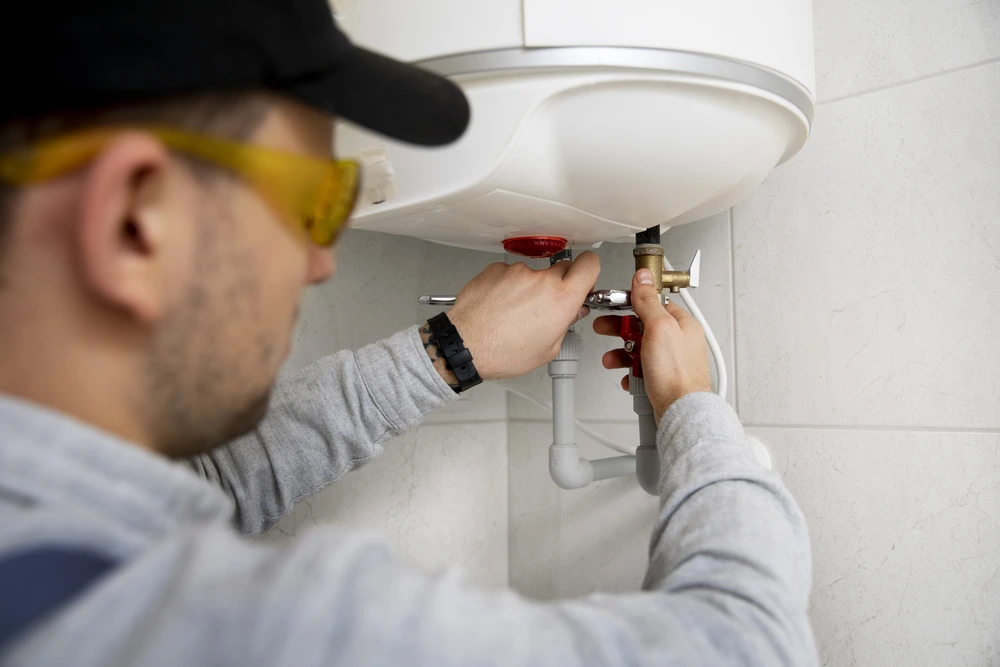
Service Water Heaters and Boilers: Flushing tanks, checking temperature and pressure valves, and inspecting burners helps maintain efficiency and safety.
Inspect Roof and Gutter Drains: Make sure stormwater drains are clear to prevent overflow into the building.
Clean Floor Drains and Traps: Many offices and commercial spaces have floor drains (in bathrooms, basements, and car parks). These should be kept clean to avoid standing water and odours.
The exact frequency depends on usage and risk factors. For instance, a busy restaurant might clean its grease traps monthly, while a small office might inspect restrooms quarterly. The table below shows a sample schedule:
| Maintenance Task | Purpose | Recommended Frequency |
| Leak inspection (all fixtures) | Catch drips and moisture early | At least quarterly (every 3 months) |
| Drain cleaning (sinks, showers) | Remove buildup to prevent clogs | Every 6–12 months, or as needed |
| Backflow device testing | Ensure water supply remains uncontaminated | Annually (per regulatory requirements) |
| Water heater/boiler service | Flush tank, check safety valves | Annually or biannually |
| Grease trap cleaning | Prevent grease blockages in sewer lines | Monthly (restaurants) or quarterly (other) |
| Roof/storm drain check | Keep stormwater flowing, prevent flooding | After heavy storms / twice a year |
Following a checklist like this, or better yet, using a maintenance management system, makes it easy to track what’s been done. Assign responsibilities and set up calendar reminders. Consistency is key: wear-and-tear only worsens over time, so a small fix now avoids a big fix later.
In large office or industrial buildings, the plumbing network can be quite complex. Each segment, from main distribution pipes to individual fixtures, needs attention. For example, modern multi-level offices often have central risers, pumps and expansion tanks that all require periodic checks. Don’t forget specialty systems like fire sprinklers and irrigation lines; leaks or corrosion there can cause serious failures. Engaging experienced commercial plumbers means they know where to look and how to test every component.
Commercial Drainage and Sewer Maintenance
Drainage is a special concern for businesses. Blocked drains can shut down kitchens, flood shops or even damage foundations. Every business should include commercial drainage maintenance in its plan. Key steps include:
Regular Drain Clearing: Have professionals jet-wash kitchen floor drains and sewer lines at least once a year. This clears fats, oils, soaps and debris that normal use accumulates.
Grease Trap Care: If you run a café or bakery, a grease trap is legally required. Empty and clean it on schedule (often monthly) to prevent overflow.
Trap Priming: Floor and fixture traps can dry out (losing the water seal that blocks sewer gas). Filling them periodically or fixing leaks ensures foul odours stay out of the workspace.
Stormwater Drain Maintenance: For outdoor areas and roofs, clear leaves and silt to prevent stormwater backup. Melbourne’s climate means heavy rains can strike; well-maintained gutters protect against flooding.
Neglecting drains is not only unpleasant, but it can also violate environmental laws. Spills or sewage backups may need to be reported under the Environmental Protection Act. In other words, good commercial plumbing services proactively manage drainage to protect people and the planet.
Office Building Plumbing Maintenance Essentials
An office building has its own needs. High-traffic restrooms, kitchenettes, and often centralised hot water systems mean a lot of use. Here are a few office-specific tips:
Hot Water Safety: Offices usually require temperature-controlled hot water. Make sure tempering valves work correctly, and that water is within safe temperature ranges as mandated by regulations.
Hands-Free Fixtures: To reduce germ spread, many offices are installing sensor taps. These need regular maintenance (battery checks, cleaning sensors) even though they look low-tech.
Water Fountains and Dispensers: If installed, they should be flushed and cleaned regularly. Stagnant water tanks can breed bacteria.
Emergency Preparedness: Have an emergency plumbing plan (e.g., know where your main shut-off valves are, have spare parts on hand, contacts ready for 24/7 plumber support). A burst pipe outside business hours can become a disaster if no one responds immediately.
Choosing a Local Commercial Plumber in Melbourne
When it comes time to carry out maintenance, hire professionals who know Melbourne’s requirements inside out. Look for a local commercial plumber in Melbourne who is:
Licensed and Insured: Verify they hold a current VBA plumbing licence. This ensures they understand local codes.
Experienced in Commercial Work: Plumbing in a shop or office can differ greatly from home plumbing. Commercial plumbers will know about large-capacity systems, industrial materials and emergency protocols.
Available for Emergencies: 24/7 service or rapid response is a huge plus. Plumbing mishaps don’t only happen 9–5, and having a known contact can save precious time.
Transparent with Quotes and Records: A reputable contractor will provide a written scope of work, timing, and maintain records of maintenance.
Melbourne has many capable plumbing firms, but try to find ones with a track record in routine maintenance programs. It’s often more cost-effective to contract a firm for regular visits rather than calling for ad-hoc fixes. The right plumber will act as a partner, helping you prioritise tasks and even catching issues you might miss. Local experts also understand Melbourne’s water sources and seasonal challenges.
Conclusion
Maintaining safe and compliant plumbing systems is a critical responsibility for any commercial property. Throughout this blog, we’ve highlighted how routine inspections, timely repairs, and preventive servicing help reduce operational risks, protect hygiene standards, and support ongoing compliance requirements. A structured maintenance approach also minimises unexpected disruptions, ensuring plumbing systems continue to function efficiently in demanding commercial environments.
By prioritising regular upkeep, businesses can address potential issues early, extend the lifespan of plumbing infrastructure, and create safer workplaces for staff and visitors. From drainage performance to water supply reliability, consistent maintenance supports long-term operational stability while aligning with safety and regulatory expectations.
If you need dependable support to keep your commercial plumbing systems compliant and running smoothly, Diverse Plumbing & Gas offers expert maintenance, inspections, repairs, and gas services tailored to commercial properties. Don’t wait for minor issues to turn into costly disruptions. Contact us today to discuss your requirements or arrange a service.
FAQs:
Why is routine plumbing maintenance important for my business?
Regular maintenance catches problems early, preventing costly breakdowns. It ensures your business stays safe (no flooding or contaminated water) and compliant with regulations. WorkSafe and building codes require prompt repair of plumbing issues, so maintenance also means meeting legal obligations.
How often should I schedule inspections for commercial plumbing?
It depends on usage, but a good rule of thumb is at least quarterly inspections of general systems (taps, drains, valves) and annual servicing for major equipment. High-use environments (like restaurants) often check critical systems monthly. The key is consistency: regular check-ups ensure nothing slips through the cracks.
What should I look for when hiring a commercial plumber in Melbourne?
Ensure the plumber is licensed by the Victorian Building Authority, has experience with commercial-scale systems, and is familiar with local standards. A good commercial plumber will provide clear quotes, maintain records, and be available for emergencies. Hiring a local commercial plumber in Melbourne means they’ll understand the city’s regulations and building codes, ensuring your work is both effective and compliant.