Dealing with drainage issues can quickly disrupt the comfort and routine of any home or business, especially when the signs start small and grow into something much more urgent. That’s where understanding the value of professional blocked drain services becomes essential. Whether it’s slow-moving water, gurgling sounds, or unpleasant odours, these early symptoms often signal something deeper happening within your plumbing system.
Across Melbourne, blocked drains are one of the most common household and commercial concerns. Factors such as ageing infrastructure, tree-lined streets, and varied weather conditions all contribute to drainage problems that require expert attention. While many property owners try temporary fixes, long-term solutions rely on accurate diagnosis and trained expertise.
This is where blocked drain services Melbourne specialists step in. They use advanced tools and modern diagnostic methods to identify the real cause of the issue, ensuring the problem is resolved efficiently and safely. With the right professional support, you can prevent recurring blockages and protect your property from more serious damage.
Recognising a Blocked Drain: Warning Signs
Blocked drains often announce themselves with familiar symptoms. Here are the telltale signs to watch for:
- Slow Drainage. Water takes forever to drain from sinks, showers or baths. That backed-up feeling usually means something’s obstructing the pipe.
- Gurgling Noises. A gurgle or bubbling sound when you flush the toilet or run water can indicate trapped air escaping through a blockage.
- Foul Odours. If a foul, sewer-like smell wafts out of your drains or toilets, it’s a red flag. Stagnant water or sewage trapped behind a clog often has a foul odour.
- Overflowing Fixtures. In severe cases, wastewater may spill out of the toilet or an outdoor relief gully in your yard during heavy use. This is an urgent sign of a major backup.
Spotting these symptoms early can save you a flood of trouble. Don’t ignore a slowly draining sink or a strange noise. Even minor clogs can grow into bigger problems. Melbourne Water advises homeowners to keep gutters and roof drains clear of leaves and debris to avoid blockages. If you notice any of the above issues, it’s time to investigate or call in the pros.
Common Causes of Blocked Drains
Clogs have many causes; the culprit could be hiding where you least expect it. Here are some usual suspects behind stubborn blockages:
Kitchen Grease and Oil. Fats and cooking oils pour down the sink and solidify, coating the pipe walls. Over time, they trap bits of food and create a greasy log that blocks water.
Hair and Soap Scum. In bathrooms, hair strands combined with soap residue can form dense plugs, especially in shower and bathtub drains.
Flushable “Non-Flushables”. Despite the label, wet wipes, sanitary items, nappies and thicker paper products do not dissolve like toilet paper. They can quickly jam toilets and sewer pipes.
Tree Root Intrusion. In older suburbs with leafy streets, tree roots can literally grow into sewer lines, exploiting tiny cracks. Melbourne Water notes that sewer pipes often get blocked or broken by tree roots, fats or oils. When roots invade a pipe joint, they trap hair, grease and debris, creating a hard blockage.
Foreign Objects. Small toys, toothbrushes, or other objects flushed accidentally can lodge in pipes. Over time, they act as a barrier to further debris.
Heavy Rain and Debris. Melbourne’s storms can wash leaves, soil and rubbish into gutters and stormwater drains. Council stormwater systems can clog up with sediment or plastic bags, requiring stormwater drain clearing to keep runoff flowing.
Pipe Damage or Collapse. Old or degraded pipes may partially collapse or shift, creating pinch-points that catch debris. Collapsed sections, sediment buildup or even animal nests inside a pipe will block flow.
How Experts Diagnose Drain Blockages
Gone are the days of guessing blindly. Modern plumbers have slick gadgets to see inside your pipes and track down the exact problem. Here’s how they do it:
CCTV Drain Camera Inspection: This is the plumber’s “surgery camera.” A waterproof camera on a flexible cable (often called a drain camera) is fed into the pipe. The high-definition video is viewed on a monitor, revealing the condition of the inside of the pipe in real time. Cracks, collapsed sections, tree roots, or lodged debris all become visible. In your home, a plumber can use a mini version of this setup.
Acoustic and Pressure Tests: For some underground or large-diameter drains, plumbers may use sound or pressure sensors to locate leaks or blockages without digging. These tools can “listen” for changes in flow or air, narrowing down the blockage location.
Smoke Testing: If illegal connections or hidden leaks are suspected (often in stormwater lines), harmless smoke can be blown into drains to see where it escapes.
Visual Checks & Simple Tests: Often, they’ll first try simple tricks, running water or snaking a short distance to see if there’s resistance. For example, if water backs up when you flush the toilet, the plumber may try snaking to see if the cable stops at a certain point. That gives clues about the blockage’s distance and nature.
Locating Devices: After feeding in cables or cameras, plumbers use attached sonar or radio locators above ground to pinpoint where the tool is underground. This is handy if they need to dig for a major obstruction on a public line.
Many plumbers combine methods. For example, they might insert a camera and simultaneously snake the line. If the camera hits a root ball, it’s obvious the clog is rooted; if it sees solid grease, they know a hydro-jet is the weapon of choice.
Clearing the Blockage: Advanced Solutions
Once the obstruction is found, experts move in with precision tools to clear it:
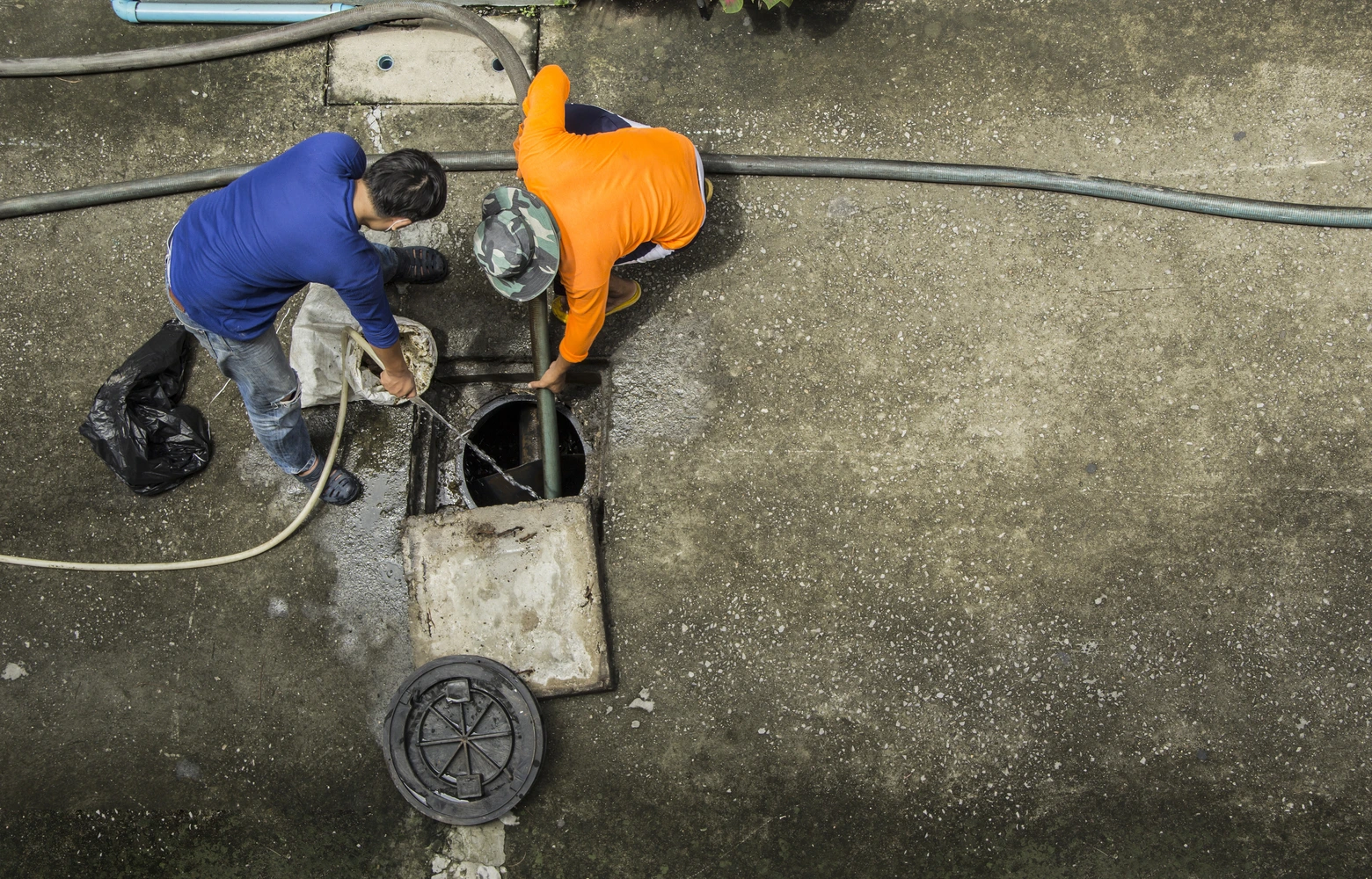
Hydro-Jet Drain Cleaning: Also called high-pressure water jetting, this uses a specialised nozzle on a hose. The nozzle shoots jets of water forward to break apart the clog and jets water backwards to scour the pipe walls. This method can blast through grease, soaps, mineral scale, and even thin tree roots. It leaves the pipe almost flushed clean. Plumbing crews in Melbourne often deploy hydro-jetters for tough blockages.
Root Removal: If CCTV reveals tree roots, plumbers may use mechanical root-cutting attachments. These are like rotating blades or chains that cut through roots. Afterwards, the debris is rinsed out with water. If roots have repeatedly invaded an old pipe, the long-term fix might be relining or replacing that section, but immediate relief comes from cutting and flushing.
Snaking & Manual Clearing: For minor clogs (hair, small toys, soap), a plumber’s drain snake (auger) still works wonders. It’s less common for big blockages, but an initial snake test can confirm if the water flows again or if more is needed.
Chemical Treatments: Pro-grade chemical cleaners (like root killers or specialised drain solvents) may be used in some cases, but only by professionals and sparingly. Harsh chemicals can damage pipes and the environment, so modern plumbers prefer mechanical and water-based methods.
Relief & Repairs. After clearing, the plumber will often run water through the system to ensure it drains properly. If any damage was found (broken pipe, collapsed joint), they’ll suggest repair or relining. The goal is to fix the cause, not just the symptom.
In all, the key is using the right tool. For example, if the problem is a greasy build-up in kitchen pipes, hydro jetting will scour it out; if it’s deep roots in a 50mm sewer, a CCTV camera pinpoints the spot, and a blade attachment cuts it. This targeted approach means your drain is clear and the underlying issue is solved.
When to Call an Emergency Plumber
Not every clog is a calm-instruction manual scenario. Sometimes you need help right now. Call for emergency help if:
Health Hazard or Flooding: Sewage is overflowing into living spaces, or a blocked toilet is causing raw sewage to back up. Contact an emergency plumber immediately; backed-up sewage can pose serious health risks. The Victorian Better Health Channel advises contacting a plumber if you suspect your sewage system is damaged. Don’t wait until the problem worsens.
Flooded Property: Water is pouring in from floor drains or pit lids, or your yard is turning into a lake during a rain. This is urgent. If it’s private property flooding and it’s an immediate risk, call a 24/7 emergency plumber in Melbourne. They have the pumps and tools to mitigate the damage.
After-Hours Breakdown: Major blockages don’t only happen 9–5. If your main drain backs up at night or on a weekend, there are plumbers on standby. They charge more, but an overnight flood could cost you much more in water damage.
Repeated Blockages: If a particular drain is constantly blocking despite simple fixes, there might be a larger issue. An emergency or same-day service can diagnose before the next blockage ruins a party or holiday.
In short, if the clog is causing immediate danger or significant damage, don’t wait. Call a licensed, insured plumber. They can arrive quickly and have access to specialised equipment. Remember: safety first, dealing with sewage or burst pipes is not a DIY job.
Conclusion
Blocked drains can cause major disruptions to daily life, from slow-draining sinks to overflowing toilets or stormwater backups. Understanding the causes, whether it’s grease, hair, tree root intrusion, or structural pipe issues, is essential for preventing long-term damage. Professional diagnosis using CCTV drain inspections, drain camera inspections, and hydro jet cleaning ensures the problem is accurately identified and efficiently resolved. Relying on expert blocked drain services Melbourne eliminates guesswork, minimises property damage, and restores proper drainage quickly and safely.
Beyond clearing blockages, expert services also include sewer blockage repair, stormwater drain clearing, emergency blocked drain repair, and tree root intrusion removal. Regular maintenance and timely interventions not only fix immediate problems but also prevent recurring issues, keeping your home or business running smoothly. Knowing when to call professionals versus attempting DIY solutions is critical to protecting both your property and health.
If you’re experiencing drainage issues or want to schedule preventative maintenance, don’t wait. Contact us today for reliable blocked drain services, emergency plumber assistance, and comprehensive plumbing solutions across Melbourne. Let our team provide expert care and peace of mind for your property.
FAQs:
What are the most common causes of blocked drains?
Most clogs come from everyday items. Hair, soap scum and toothpaste build up in bathroom pipes; grease, fat and food particles clog kitchen drains; and “flushable” wipes, sanitary products or nappies can jam toilets and sewers. Tree roots are also a big culprit; they grow into old pipes looking for water and create tough blockages. Even heavy rainfall can wash leaves and dirt into storm drains, causing blockages.
How can I prevent blocked drains in my home?
Prevention is key. Use drain strainers to catch hair and food scraps. Never pour cooking oil or grease down the sink; instead, wipe pans with paper and throw it in the bin. Only flush toilet paper. Periodically flush kitchen drains with hot water or an enzyme-based cleaner to break down buildup. Keep gutters and outdoor drains clear of leaves and debris. And have a plumber inspect older pipes if root intrusion is suspected. These simple habits can dramatically reduce clogs.
When should I call for emergency blocked drain repair?
If a clog is causing health or flood risks, call immediately. For example, if sewage is backing up into your home or overflowing out of a drain, treat it as an emergency; bacteria in sewage can make you very sick. In such cases, ring a 24/7 plumber or your council’s emergency line. Also, if heavy rain causes water to pour from a drain into your yard or house, act fast. In general, anytime water starts escaping beyond normal fixtures, or it’s after hours, and the problem is urgent, call an emergency plumbing service.