Owning a home in Melbourne comes with many rewards, but it also means being prepared for unexpected plumbing maintenance issues. A sudden leak, blocked drain, or overflowing fixture can quickly disrupt daily life, which is why knowing when to call an emergency plumber becomes essential rather than optional. Preparation is not about expecting the worst; it is about protecting your home, your time, and your peace of mind.
Many homeowners only think about plumbing when something goes wrong. However, understanding basic emergency steps and having a clear action plan can prevent small issues from turning into costly repairs. A practical checklist helps you respond calmly, make informed decisions, and avoid unnecessary stress during urgent situations.
This guide outlines a simple yet effective approach every homeowner should follow. With the right preparation and access to a reliable emergency plumber Melbourne residents trust, you can respond quickly to unexpected plumbing problems while keeping your property safe and secure.
Recognising a Plumbing Emergency
Not every dripping tap is a true emergency, but some situations need instant action. Generally, think: “Will waiting cause flooding, damage, or health hazards?” If yes, call it an emergency. Key warning signs include:
- Burst or major leaks: A geyser spewing from a pipe, rapidly flooding rooms, or soaking the ceiling below, stops water immediately.
- No water supply: If the kitchen and bathroom taps both suddenly run dry and you’ve ruled out council maintenance, something serious is wrong.
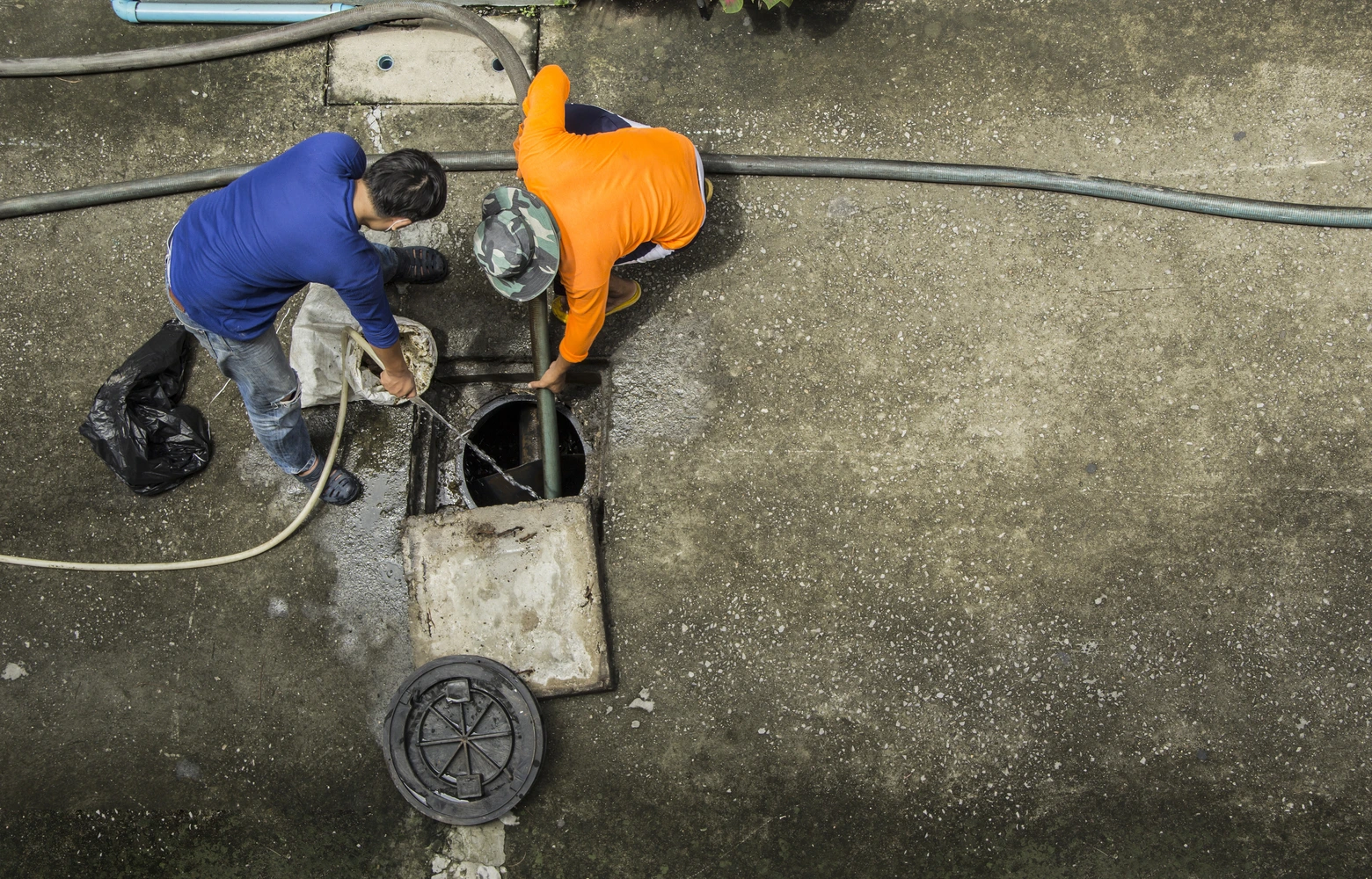
- Overflowing toilet or blocked sewer: Raw sewage backing up is an urgent and hazardous situation. Sewage contains harmful bacteria, and contact a plumber if you suspect your plumbing or septic tank system is damaged.
- Gas leaks: Smelling gas or hissing near lines is a dangerous emergency. Never ignore your senses. If you smell gas, ventilate and turn it off at the meter (if safe) immediately.
- Flooding after storms: Heavy rain can overwhelm drains. If water is entering your home or pooling rapidly in the yard, act fast to protect your property.
If you encounter any of these, it’s time to swing into emergency mode. Remember, small drips can wait, but anything that threatens flooding or health should trigger your checklist.
Immediate Steps in a Plumbing Emergency
When disaster strikes, staying calm and taking the right first steps can save your home.
Turn off the water supply: There’s usually a main shut-off valve or meter box at your property boundary. Closing that valve immediately stops more water from flooding your home, giving you time to respond. If there’s a gas leak, turn off the gas at the meter and open windows for ventilation.
Safeguard the area: Unplug electrical appliances near the leak, and clear family or pets away from water. Grab any towels, buckets, or pots to catch drips and prevent spread.
Call for help: Dial 000 if there’s immediate danger (electrocution risk, fire, or gas explosion). Otherwise, contact a licensed emergency plumber right away.
Your Plumbing Emergency Checklist: Tools & Essentials
Think of your plumbing emergency checklist as a home first-aid kit for pipes. By preparing before the crisis, you’ll act fast when it hits. Keep the following items on hand:
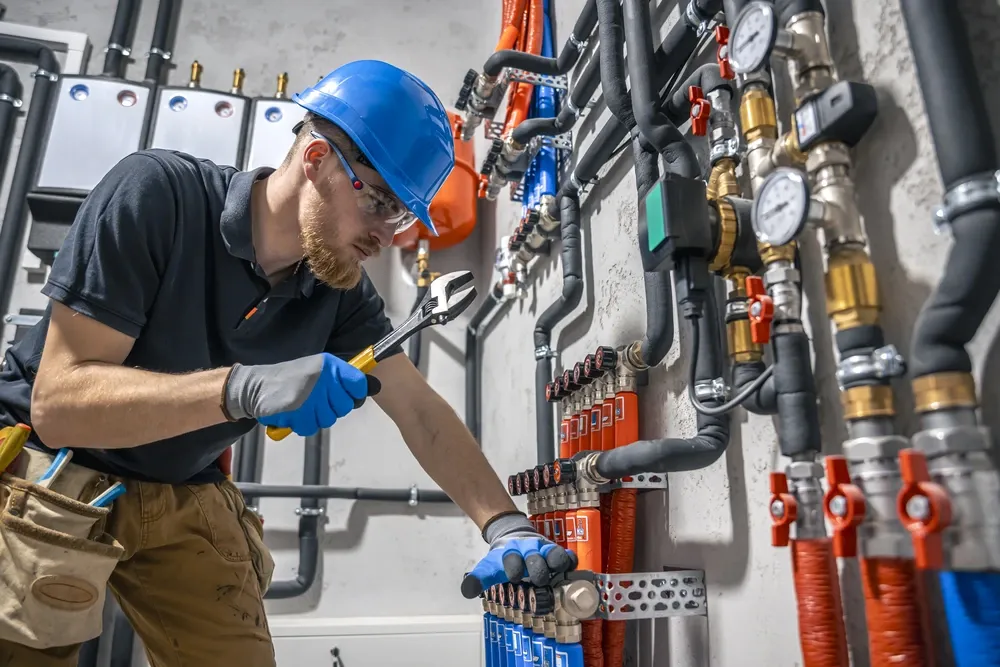
- Adjustable wrench or spanner: To turn off the main water shut-off valve quickly. Even if your valve is a lever, a wrench helps for older valve types.
- Buckets, mops and towels: To contain leaks and prevent spread. The sooner you contain water, the less damage to floors and walls.
- Flashlight or portable lamp: Emergencies often happen when the power goes out. A torch helps you find valves or crawl spaces in the dark.
- Rubber gloves and boots: Essential if dealing with sewage or contaminated water. These protect you from bacteria when cleaning up or locating leaks.
- Gas meter key or wrench: A specialised key that often comes with gas cylinders. If you smell gas, switch it off at the cylinder (LP gas) or meter (natural gas) only if it’s safe. Keep the key by your gas meter.
- Emergency contact list: Post or store prominently a list including: your trusted 24-hour plumber’s number, state emergency services, your local water authority’s leak hotline, and your energy/gas provider’s emergency line. Make sure this list is easy to find.
- Insurance and warranty documents: Keep copies of your home insurance policy, warranty info for appliances, and any service contracts. If flooding/damage occurs, you’ll want to act quickly on claims.
- Phone charger/power bank: You might need your phone urgently; keep it charged!
Finding a Trusted 24-Hour Plumber in Melbourne
When the pipes pour, you need a reliable 24-hour emergency plumber on speed dial. But beware: emergency work can be ripe for scams or overcharging. Only use licensed, local professionals. In Victoria, all plumbing work must be done by a licensed plumber, who, by law, provides a Certificate of Compliance for jobs over $750.
Do your homework in advance. Look for reliable reviews and referrals before disaster strikes. You might also consult the Master Plumbers Association or similar bodies to verify a plumber’s license. The Victorian government even allows you to check credentials online: the Building and Plumbing Commission has a public practitioner search to confirm if a plumber is registered. This way, you won’t be caught off guard by unqualified operators.
During an emergency, call at least two different plumbers if possible to compare estimates. Even in emergencies, don’t be pressured into signing a contract until you have at least two quotes. Yes, even at midnight! This ensures you’re not paying double or getting unnecessary work suggested on the fly.
Some things to confirm when you call:
- Are you licensed and insured? (They should know this immediately.)
- Is this an after-hours fee? Many 24/7 plumbers charge more at night/weekends.
- Can you get a quote breakdown? Emergency rates often include a call-out fee plus hourly or flat rates.
- Do you offer guarantees? A good plumber will stand by their work even if it’s an odd hour.
Compare answers and comfort level. The goal: a clear, transparent deal. Don’t send someone away after turning off the water; if the leak is real, you’ll want them to fix it right away. But also don’t feel rushed into a one-sided contract. It’s wise to avoid anyone demanding large upfront deposits for emergency fixes. Ideally, you pay after the work is done to your satisfaction.
Preventing Future Plumbing Disasters
An emergency checklist doesn’t just save the day during crises; it helps avoid them. Regular maintenance can dramatically cut your risks. Here are some preventive tips:
- Inspect your pipes annually: Catch corrosion, rust or wear before a failure. Look under sinks and in basements for dampness or drips.
- Test your water pressure: Too-high pressure strains joints. Consider a pressure-reducing valve or regulator if needed.
- Keep drains clear: Use strainers, and flush drains monthly with hot water or safe cleaners. Avoid pouring grease or coffee grounds down the kitchen sink.
- Clean gutters and downpipes: Blockages can back up into your stormwater system, affecting indoor drains.
- Know your home’s plumbing layout: Label valves so anyone in the family can quickly shut off water or gas if needed.
Just like yearly health checks, a bit of plumbing TLC prevents emergencies. And if you do need a job, remember only licensed professionals should work on gas or plumbing lines.
Finally, insurance: check if your home policy covers water damage. Some do for sudden events. Keep details handy, and consider flood covers if you live in a low-lying area. After an incident, take photos and call your insurer promptly. It can ease financial pain, letting you focus on cleanup.
Conclusion
Plumbing emergencies rarely arrive with warning, but preparation makes all the difference. Throughout this guide, we’ve explored how recognising urgent warning signs, acting quickly, and following a clear plumbing emergency checklist can help minimise damage and stress. From shutting off your water supply to contacting a qualified professional, small actions taken early can protect both your home and your budget.
For Melbourne homeowners, having a trusted professional ready before problems arise is just as important as keeping tools on hand. Choosing licensed help, understanding emergency plumbing services, and maintaining your system regularly ensures you stay in control when unexpected issues occur. A proactive approach turns a potential crisis into a manageable situation.
If you want reliable support when it matters most, Diverse Plumbing & Gas provides fast, professional emergency plumbing, gas fitting, and residential plumbing solutions across Melbourne. Don’t wait for a crisis, request a quote today and secure expert assistance when you need it most.
FAQs:
What counts as a plumbing emergency?
A true emergency involves risk of flooding, damage, or health hazards. Think burst pipes, significant leaks, sewage backup, or gas leaks. Small drips or slow drains can usually wait until morning, but anything that threatens to flood floors or expose you to contaminants requires immediate action. In doubt, turn off the water and seek a plumber.
How can I safely turn off my water supply?
Locate your main shut-off valve or meter. Use an adjustable wrench to turn it clockwise until the water flow stops. Consumer Protection authorities stress knowing this valve’s location so you can stop flooding quickly. Always turn off before calling a plumber.
Should I call my insurer for every plumbing issue?
Not necessarily. Insurers typically cover sudden, accidental damage. Check your policy wording. If the issue is just a normal repair or wear-and-tear, it may not be covered. However, after any big leak or flood, document damage and notify your insurer promptly. Having photographic evidence and dates will help if you decide to file a claim.