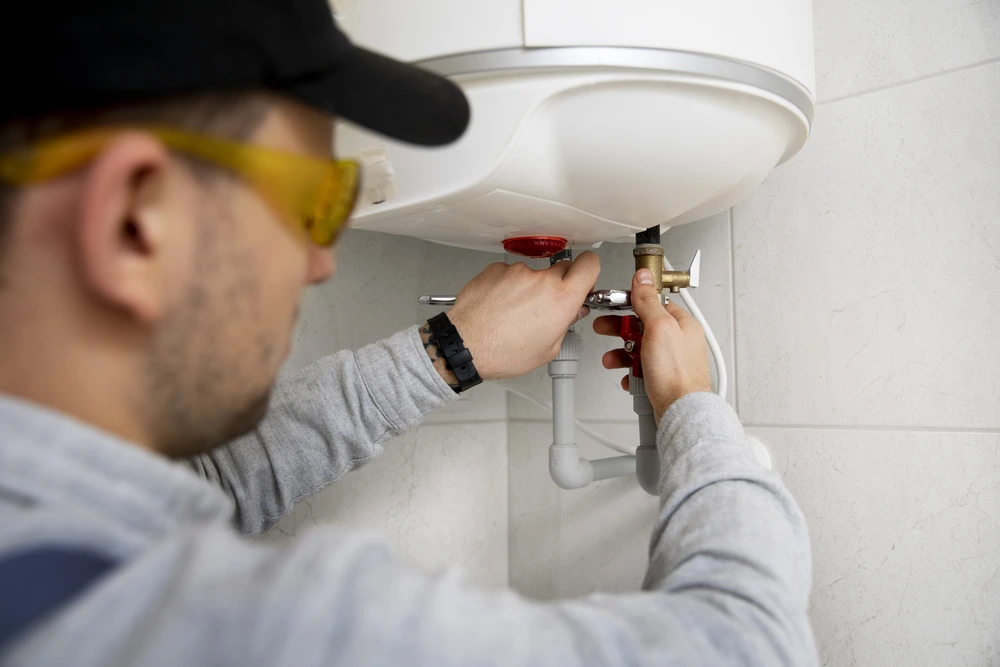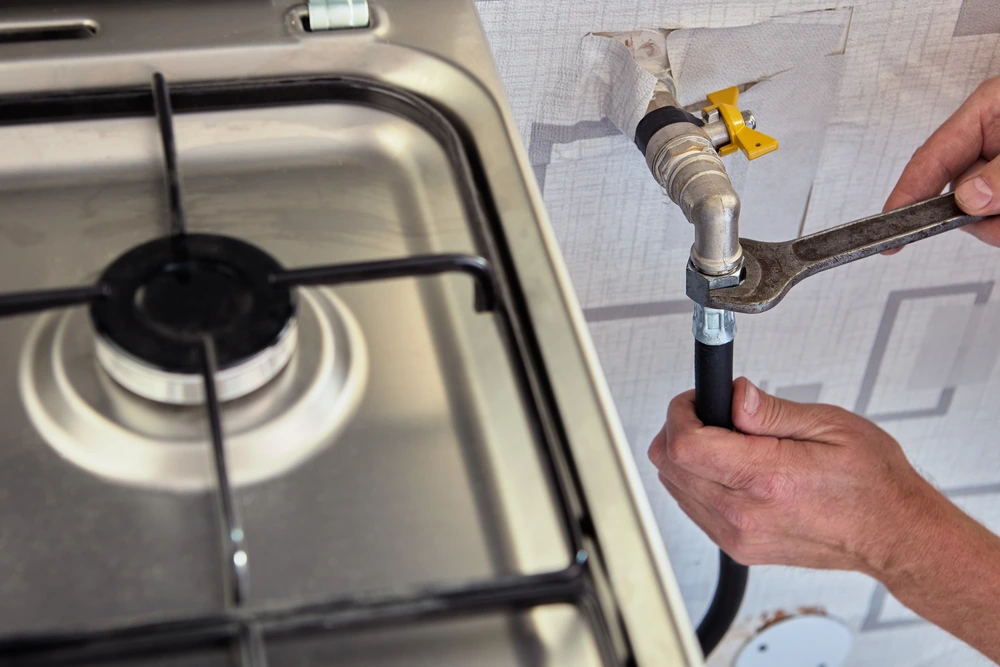
Hot water is something most Melbourne households take for granted, until it suddenly stops working. Whether it’s a cold morning shower, fluctuating water temperatures, or unexpected leaks, problems with hot water systems can quickly disrupt your daily routine. That’s why understanding the early warning signs and knowing when to act on hot water system repairs is essential for maintaining comfort, safety, and efficiency in your home.
Many hot water issues start small but can escalate if left unattended. From faulty heating elements and sediment buildup to pressure valve failures and gas-related concerns, even minor system faults can lead to costly damage or safety risks over time. Recognising the difference between a quick fix and a serious problem can save you both time and money.
In this guide, we’ll explore when professional hot water system repairs are necessary, what signs Melbourne homeowners should watch for, and how licensed plumbers can help keep your system running reliably year-round.
Hot Water System Repairs: Warning Signs to Watch For
Even before your water turns frigid, your hot water system may give off warning signs. Keep an eye out for anything unusual, like:
No hot water at all: A dead heater could mean a tripped breaker, a failed heating element (in electric systems), or an extinguished pilot light (in gas units). If checking the fuse or pilot doesn’t bring the heat back, it’s time for a pro.
Fluctuating or low temperature: If your water goes from scalding to icy mid-shower, the thermostat or heating element may be failing. Sediment buildup in the tank can also restrict heating. A plumber can flush the tank and replace worn parts to fix this.
Unusual noises: Popping, rumbling, or banging sounds often mean sediment has settled at the bottom of the tank and is “boiling” in the heat. Over time, this can damage the tank’s interior. Flushing the system can help, but repeated banging may indicate the need for professional maintenance.
Leaks or puddles under the tank: Even a small drip around your heater can signal a serious problem. Corrosion, a cracked tank, or a failing valve could be to blame. In practice, any water leak from a hot water unit is a red flag; shut off the water supply and call a licensed plumber immediately. Tanks don’t last forever, and once they start leaking, repair is often impossible.
Rusty or discoloured water: Brownish or reddish hot water usually means the tank is corroding from the inside. Unless water quality in your home is extremely poor, corrosion of the anode rod or tank will need a plumber’s attention.
Bad smells (eggs or metallic): A sour, sulphur “rotten egg” odour can mean bacteria are growing in the tank, especially if the water isn’t getting hot enough. A metallic smell often indicates corrosion. In either case, flushing the tank and possibly fitting a tempering valve can help, but a plumber should carry out these fixes.
Emergency Hot Water Repairs: Act Immediately
Some hot water issues are true emergencies. If you encounter any of these situations, don’t hesitate, shut off the system and call a plumber right away:
Major leaks or flooding: A burst pipe or a tank spraying water can flood floors quickly. Always shut off the water supply to the heater at the first sign of rapid leaking. You’ll want a plumber on-site ASAP to stop the water and fix or replace the faulty parts.
Gas smell or suspected carbon monoxide: If you have a gas water heater and smell rotten eggs (indicating a gas leak), leave the house immediately. Energy Safe Victoria warns that any gas heater can emit unseen carbon monoxide, which is deadly. Turn off the gas at the source if it’s safe to do so, open all windows, and call emergency services (000) plus a licensed gasfitter or plumber immediately. Never ignore a gas smell; it’s never safe to do so.
Scalding water or steam leaks: If water suddenly shoots out scalding hot, the pressure relief valve or thermostat may have failed. Shut off power/gas and water, and get help.
Electrical smell or sparking: Any burning or electrical odour from an electric heater means shut off power and call an electrician or plumber.
In short, don’t wait when safety is at risk. For any active leak, fire or gas situation, treat it as an emergency. Licensed plumbers are trained to handle these hazards. It’s better to pay for an urgent repair than risk serious injury or damage.
Hot Water System Maintenance Tips
A stitch in time saves nine, especially when it comes to water heaters. Regular upkeep can extend your system’s life and prevent surprise breakdowns. Here are some key maintenance tips:
Flush the tank regularly: Over time, mineral deposits settle in the bottom of a tank, reducing efficiency and causing noise. A good rule is to flush your hot water tank once or twice a year. This involves draining the tank and rinsing out sediment. If you’re not comfortable doing it yourself, schedule a plumber to do it for you.
Inspect the anode rod: Many storage tanks have a sacrificial anode that prevents rust. This anode rod should be checked and replaced every few years, or whenever you notice the anode is heavily corroded. Replacing the rod in time can save you from having to replace the whole tank later.
Check the pressure relief valve: Test the temperature-pressure relief valve by lifting its lever; water should flow out and stop when you let it close. Do this annually. A faulty T&P valve can cause dangerous pressure buildup. If it doesn’t operate smoothly, have it replaced.
Maintain proper temperature settings: Set your water heater to at least 60°C to prevent bacterial growth in the tank. If you have very young children or elderly people, you might consider installing a tempering valve to reduce hot tap-water temperatures to a safe level. A licensed plumber can advise and install this.
Clean the area and fixtures: Keep the base of the heater free of dust and debris. If it’s a gas model, ensure good ventilation. Also, use water-efficient fixtures: water-saving showerheads and taps reduce how much hot water you use, easing the load on the system.
Schedule professional inspections: Even with DIY upkeep, consider a professional check at least every 1–2 years. A plumber can spot issues you might miss, check gas fittings for leaks, measure electrical elements, and verify that safety devices are working. In short, a yearly tune-up is like a “health check” that could prevent a dead heater on the coldest night.
By staying on top of these maintenance tasks, you not only save on running costs but also dramatically lower the risk of unexpected failures. And remember: when in doubt, call a water heater repair service or licensed plumber; it’s often cheaper than dealing with a flooded floor or a burst tank.
Local Hot Water System Repairs in Melbourne
Finding a reliable plumber in Melbourne is key to quick, stress-free repairs. Here are some tips for Melbourne locals:
Look for licensed experts: In Victoria, plumbing work is strictly regulated. Always choose a licensed plumber or gasfitter. You can even verify licenses online: the Victorian Building Authority (formerly VBA/BPC) lets you search their public register to confirm a plumber’s credentials. Don’t hesitate to ask your plumber for their license card on the spot.
Ask neighbours or community groups: Melbourne locals often recommend tradespeople in neighbourhood Facebook groups or Nextdoor. A personal referral for someone who fixed a neighbour’s hot water quickly and honestly is worth its weight in gold.
Compare quotes and guarantees: Once you have a shortlist, call them for an estimate. Many plumbers will provide free quotes for repairs. A trustworthy provider will explain what’s needed rather than push for replacement. Ask about warranties, for example, good plumbers may guarantee their repair work for 12 months.
By choosing local plumbers who specialise in hot water and water heater repairs, you’ll get technicians familiar with Melbourne’s housing stock and common local issues. They’ll also know the local building codes and safety standards.
Conclusion
Hot water system problems can range from minor inconveniences to serious safety concerns, which is why knowing when to act is so important. Throughout this guide, we’ve covered the key warning signs, common system faults, emergencies, and practical maintenance tips to help Melbourne homeowners make informed decisions before issues escalate.
By staying alert to temperature fluctuations, leaks, unusual noises, or complete system failures, you can prevent costly damage and ensure your household continues to enjoy safe, reliable hot water. Regular servicing and timely repairs not only extend the life of your system but also improve efficiency and peace of mind.
If you need expert help, Diverse Plumbing & Gas provides reliable hot water system repairs, emergency plumbing, gas fitting, maintenance, and installation services across Melbourne. Don’t wait for a cold shower or major breakdown, contact us today to book a professional inspection or repair.
FAQs:
How do I know if my hot water system needs repairs?
Look out for warning signs like no hot water, inconsistent temperatures, strange noises (popping or rumbling), leaks around the unit, or rusty/discoloured water. Any of these suggests a problem. Minor issues can sometimes be fixed yourself, but in most cases, it’s safest to call a licensed plumber to diagnose and fix the problem properly.
Can I perform any hot water system repairs myself?
Homeowners can do some simple maintenance, but major repairs must be done by a qualified pro. In fact, Australian plumbing regulations require that all maintenance and repairs to hot water systems be performed by a licensed plumber. DIY attempts at fixing gas connections, electrical elements, or replacing tanks are risky and often illegal. When in doubt, it’s best to hire a professional.
What should I do if my hot water system is leaking?
First, shut off the water supply to the heater. If it’s a gas system, also shut off the gas. A leaking hot water tank is not a minor drip; it usually means an internal failure. You should call a plumber immediately, even if the leak seems small, because it can lead to flooding and structural damage. Remember that a plumber is legally required for this work, so reach out to a qualified local service right away.